

Is a Kona Snorkel Tour Safe & Comfortable? Life Jackets, Seasickness, Ocean Conditions & Boat Size Explained
If you’ve never been on a snorkel boat before, the questions that actually matter usually aren’t about the fish. They’re about whether you’ll be safe in open water, whether you’ll spend the whole trip feeling green, and whether the boat itself is something you can trust. Those are fair questions, and they deserve straight answers instead of a marketing brochure.
Here’s what to actually expect on a Kona snorkel tour with Body Glove Hawaii, covering safety gear, seasickness, water conditions, and the boats themselves.
Do Kona Snorkel Tours Provide Life Jackets and Flotation Devices?
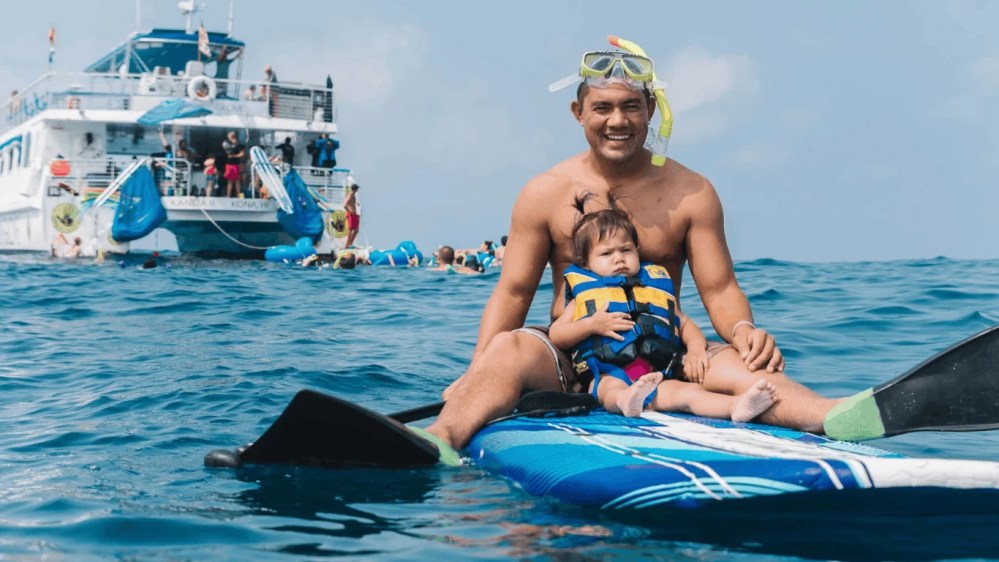
Yes. Every Body Glove Hawaii snorkel tour carries USCG-approved life jackets sized for adults and children, and they’re available to any guest who wants one, whether you’re a strong swimmer or you haven’t been in open water before.
Beyond life jackets, most tours also have additional flotation support on board, things like foam noodles and flotation belts, so you can hang out on the surface without treading water the whole time. Crew members are in the water with guests and stay close to anyone using flotation gear or snorkeling near the boat.
What this means in practice:
- Comfortable swimmers can snorkel freely and skip the vest if they prefer.
- Nervous swimmers and non-swimmers can wear a life jacket the entire time and still see everything from the surface.
- Kids and first-timers are never pressured to venture past where they’re comfortable.
- Crew stay positioned near guests in the water, not just watching from the boat.
Guest reviews:
“The crew was amazing making sure everyone felt safe and that anyone who wanted to get in the water could. We had some older folks, some hesitant about ability to get in/out of water, etc. The crew took care of everyone respectfully and all had a great time. They provided life jackets and pool noodles to help you float, floating mattresses to just lay in the sun, paddle boards, and boogie boards.” – Miki S.
“The crew was very friendly, informative, and helpful from beginning to end. They answered any questions and were attentive to everyone. We felt very safe, for someone that is not confident swimming, providing life jackets, paddle boards, noodles, etc. the time we had to snorkel was just enough.” – Jennifer D.
Is Seasickness Common on Kona Snorkel Tours?
Some people get queasy on any boat, and Kona’s tours are no exception, but it’s far less common here than on rougher open-ocean crossings. That’s mostly a function of geography: Kona sits on the west side of the Big Island, which is naturally sheltered from the trade winds and swell that hit the windward coast. Mornings, when most snorkel tours depart, are typically the calmest window of the day, before afternoon winds pick up.
If you’re prone to motion sickness, a few things make a real difference:
- Take a non-drowsy motion sickness medication (like meclizine or a ginger-based remedy) 30 to 60 minutes before departure, not after you start feeling sick.
- Eat something light before boarding rather than going out on an empty stomach.
- Sit or stand toward the center of the boat, where there’s less motion, rather than the bow or stern.
- Keep your eyes on the horizon during transit rather than looking down at a phone or reading material.
- Get in the water and snorkel at each stop. Being in the water tends to help more than staying on deck once you’re anchored.
Most guests who take these precautions do fine, and being in the water itself often settles a queasy stomach better than staying on board. However, our crew is trained to handle seasickness with professionalism and compassion.
Guest Reviews:
“Our family had a great time today on this cruise. The crew was so helpful, knowledgeable, and professional. My son got seasick (he easily gets carsick too, the cruise wasn’t rough) and threw up. I felt so bad but the crew dealt with it so sensitively. The food was great and the snorkeling was amazing. They had masks, fins, lifejackets, and some great toys to really have a great time. I would highly recommend this tour to anyone.” – Adam C.
“Great family event. Everyone from 6 years old to 80 years old had a blast. Food was great. Crew responsible, helpful, and accommodating. Toilets are on board. They assisted with motion sickness. Tables are on the ship for sitting and eating. A lot of the boat was covered for those that needed shade. Easy slow boat ride. Lots of items for water play (snorkels, lifejackets, noodles, slides, paddle boards, lily pad, floaters, submarine floaters for tots). Everyone found something to do in our party of 9.” – Kendra R.
How Rough Are the Ocean Conditions on Kona Snorkel Tours?
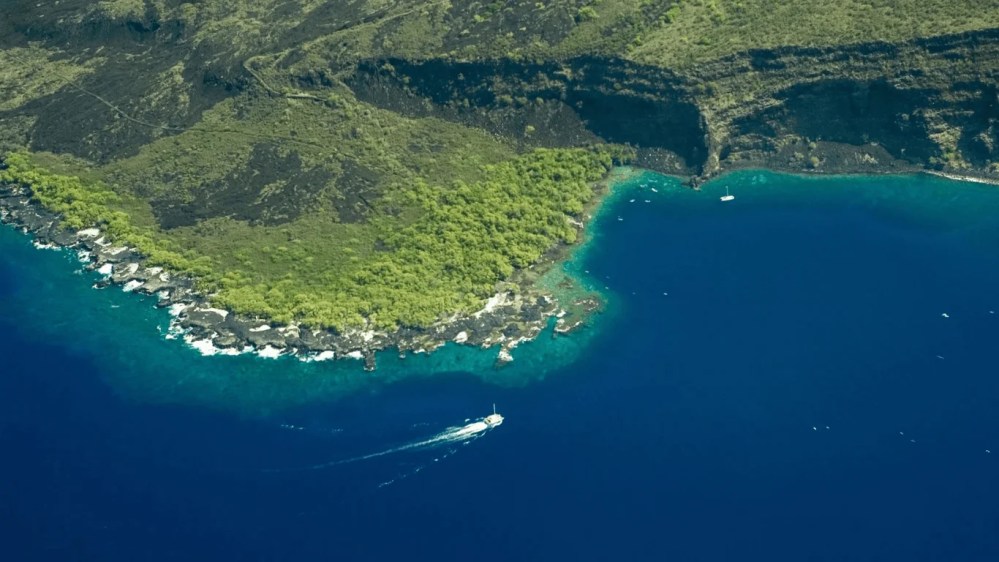
Generally calm, especially in the morning. Because the Kona coastline is shielded by the island itself from prevailing trade winds, the water here tends to be glassy compared to Hawaii’s windward beaches or open channel crossings between islands. This is one of the reasons Kona is considered one of the more approachable places in Hawaii to snorkel from a boat.
Conditions aren’t identical every day. Winter can occasionally bring south swells, known locally as Kona storms, that add some chop even on the western side. When that happens, captains reroute to more sheltered coves and bays rather than push through rough water, and crews monitor marine forecasts before and during every departure. If conditions on a given day aren’t suitable for snorkeling, tours are adjusted or rescheduled.
The bottom line: you should expect calm, manageable water on a typical Kona snorkel tour, with occasional exceptions that the crew actively plans around rather than ignores.
How Big Are the Boats on Kona Snorkel Tours?
This depends on which tour you book, since Body Glove Hawaii runs two different vessels out of Kona.
Kanoa II is a 65-ft. luxury catamaran with two decks. One deck is completely shaded and features booth seating, while the other is partially shaded with bench seating. This vessel boasts a 15-ft. high jump and a 20-ft. water slide. The Kanoa II is fully equipped with three restrooms, two fresh water showers, and a full-service bar. It is a wheelchair-friendly vessel, and our spacious lower deck allows for a full range of movement. The catamaran rides more stable than its Super-Raft counterpart, which is part of why the Deluxe Snorkel Tour & Dolphin Watch tends to feel steady even when there’s some swell running.
Kona Explorer is a 41-foot Super-Raft, a rigid-hull inflatable boat. It’s smaller, faster, and rides lower to the water. Rather than plowing slowly through swell the way a larger boat does, the raft cruises over the top of waves at speed, which actually makes it a better option for guests prone to motion sickness—less of the slow rocking that tends to trigger queasiness, more of a quick, controlled ride. It’s the boat used on the Super-Raft Kona Snorkel Tour. It’s also a popular pick for private group bookings, since its smaller size makes it easy to reserve the whole boat for your party. Groups of 10 or more get 15% off!
Here’s a look at both boats side by side:
| Kanoa II (Catamaran) | Kona Explorer (Super-Raft) | |
|---|---|---|
| Length | 65 ft | 41 ft |
| Access to snorkel spots | Sticks to primary sites like Kealakekua Bay | Smaller size allows access to shallower, more secluded coves |
| Ride style | Steady, spacious, multi-level | Fast, moves over waves, more open-air |
| Amenities | Water slide, shaded seating, swim platform, multiple restrooms | Compact, minimal-frills, restroom on board |
| Best suited for | Families, groups wanting more space, amenities, and shade | Guests prone to motion sickness, adventure-seekers, private group bookings |
| Minimum age | All ages | 6+ |
To compare both boats before you book, this video gives a good sense of what each one actually looks and feels like on the water:
Which Tour Fits Your Comfort Level?
If you’re still deciding between the two, this usually comes down to a few honest questions.
Choose the Kanoa II catamaran if:
- You’re traveling with kids, older adults, or a larger group
- You want a steadier ride, more shade, and lots of space to move around
- You’d rather have a relaxed ride and don’t mind a bit more time getting to the snorkel site
- You want breakfast and lunch included as part of the trip
Choose the Super-Raft (Kona Explorer) if:
- You want a faster, more active ride out to the snorkel spots
- You’re prone to motion sickness. The raft planes over waves rather than rocking through them, which tends to feel more comfortable for queasy stomachs
- You’re comfortable with an open-air boat and a bit of ocean spray
- You’re booking for a private group and want the boat to yourself
- You’re traveling with older kids or adults only (ages 6+)
Neither option requires strong swimming ability. Life jackets and flotation gear are available on both.
Planning Your Trip
A few practical notes for booking:
- Best time to book: Morning departures tend to have the calmest water, so if seasickness is a concern, book an early tour rather than an afternoon one.
- Season: Tours run year-round. Winter months (roughly December through March) add the chance of whale sightings but can occasionally bring choppier conditions on south-facing swells. Summer tends to be the calmest and busiest season, so booking a week or more ahead is worth it during peak travel months.
- What to bring: A towel, a light jacket for the boat ride if you run cold, and any motion sickness medication you plan to take (take it before you board the boat).
- What’s provided: Snorkel gear, flotation equipment, and crew guidance are included on every tour. Food and drink vary by trip, so check the specific tour details.
Frequently Asked Questions
Do Kona snorkel tours provide life jackets and flotation devices? Yes. USCG-approved life jackets are available to every guest on every tour, along with additional flotation aids like noodles and belts. Wearing one is always optional for confident swimmers and always available for anyone who wants the extra support.
Is seasickness common on Kona snorkel boat tours? It’s less common than on rougher open-ocean routes, since Kona’s leeward coast is naturally sheltered. Some guests are still prone to it. Taking motion sickness medication before departure, eating lightly beforehand, and staying near the center of the boat all help.
How rough are the ocean conditions on Kona snorkel tours? Typically calm, especially on morning departures. Occasional winter swells can add chop, and crews reroute to sheltered spots or adjust the trip when conditions call for it rather than running the same route regardless.
How big are the boats on Kona snorkel tours? Body Glove Hawaii runs two vessels: the 65-foot Kanoa II catamaran and the 41-foot Kona Explorer Super-Raft. The catamaran offers a steadier, more spacious ride with more amenities, while the smaller, faster Super-Raft planes over waves rather than rocking through them, making it a good option for guests prone to motion sickness or booking a private group.
Can non-swimmers go on a Kona snorkel tour? Yes. With a life jacket or flotation belt, non-swimmers can stay on the surface and see the same reef and marine life as everyone else. Crew stay nearby to support anyone who wants extra help in the water.
What happens if I get seasick during the tour? Let a crew member know. They can offer guidance on where to sit, and getting into the water at the next snorkel stop often helps more than staying on deck. Crews deal with this regularly and won’t make it a big deal.