

How to See Dolphins on the Big Island: Your Guide to Respectful Dolphin Encounters
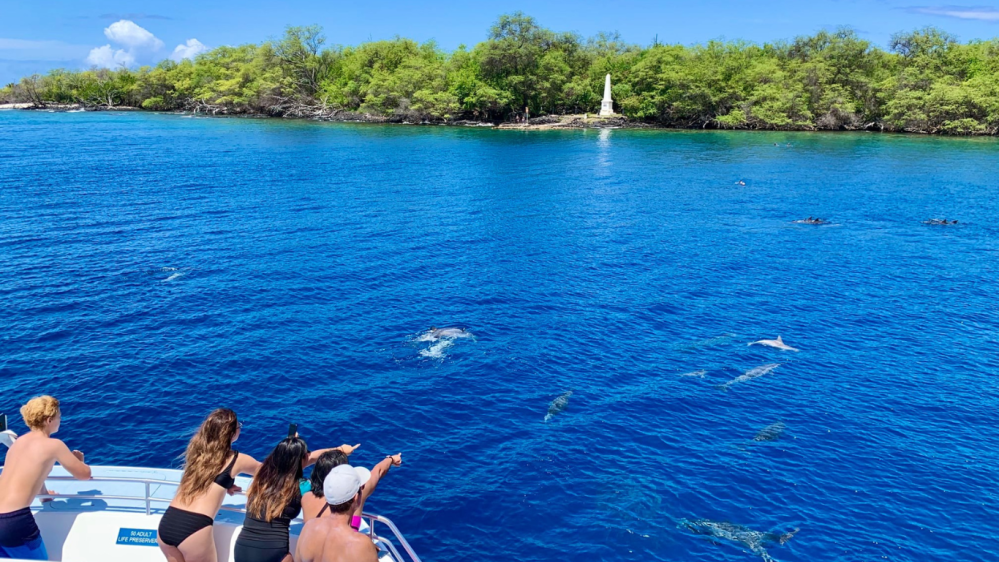
The Kona coast on Hawaiʻi Island is legendary for its stunning blue waters, tropical vibes, and—yes—spinner dolphins dancing through the waves. For many people visiting the islands, seeing dolphins in the wild is one of those “must-do” moments. But what does it really mean to experience dolphins responsibly? This guide will help you understand dolphin behavior, marine protection laws, and the best ways to enjoy these magnificent animals while keeping them wild and healthy.
- What Species of Dolphins Live in Hawaii?
- How Do Spinner Dolphins Behave Around the Big Island?
- Why Are There Rules About Swimming With Dolphins?
- Rules for Interacting with Dolphins in Hawaii
- How to See Dolphins on the Big Island Responsibly
- The Best Way to See Dolphins: Big Island Snorkeling & Dolphin Watch
- What If a Dolphin Approaches Me?
- Frequently Asked Questions About Dolphins on the Big Island
What Species of Dolphins Live in Hawaii?
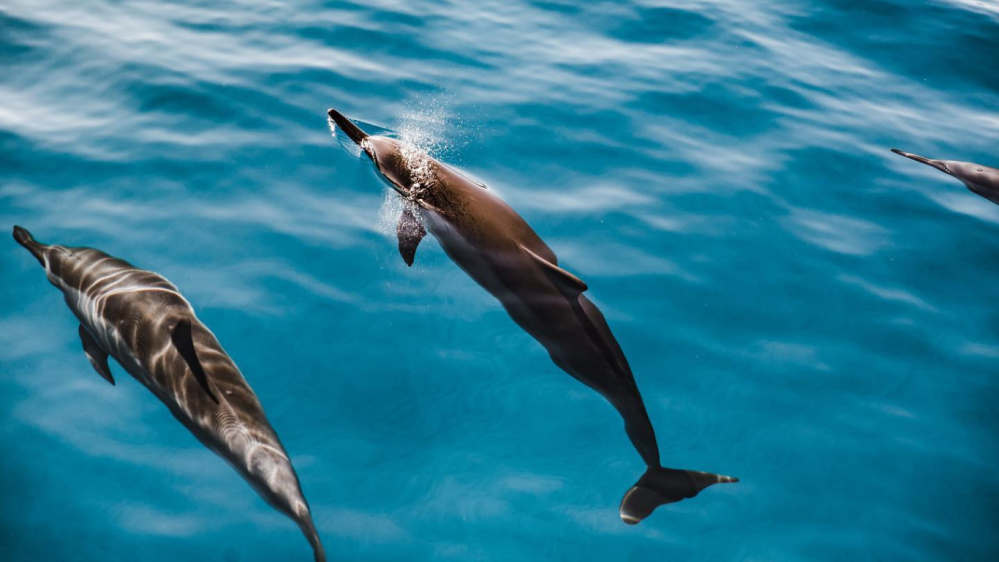
In the Hawaiian language, dolphins are known as naiʻa, and they’ve shared these waters for generations. Four different dolphin species can be found around Hawaiʻi Island:
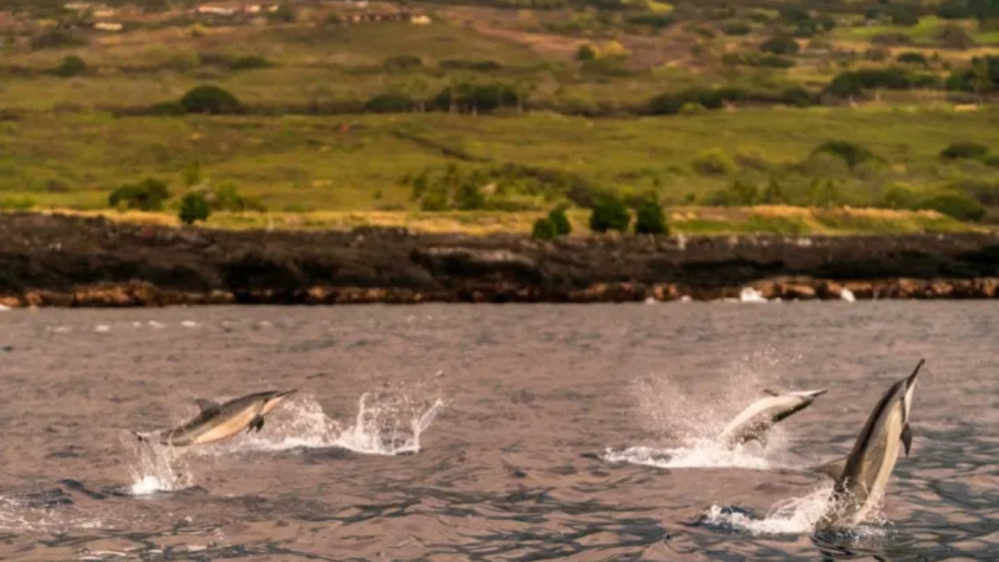
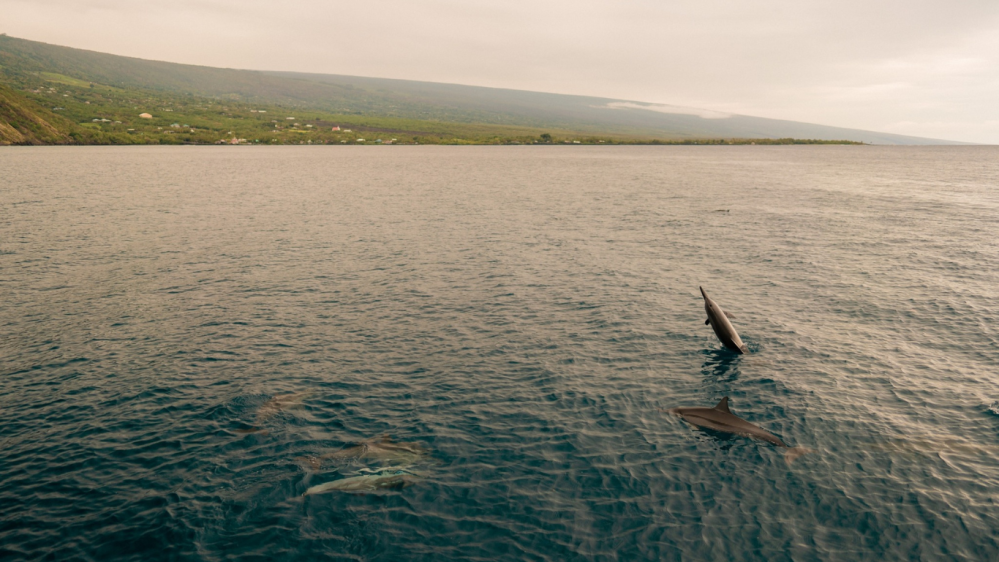
- Spinner Dolphins: The most commonly seen and best known for their spinning leaps and playful energy
- Bottlenose Dolphins: Larger and less predictable, but always a special sight
- Spotted Dolphins: Typically seen farther offshore
- Rough-toothed Dolphins: Rare, but they do make occasional appearances
As ocean explorer Jacques Cousteau once said, no aquarium – no matter how impressive – can ever match the real ocean. Seeing dolphins in their natural environment is something truly special.
How Do Spinner Dolphins Behave Around the Big Island?
To understand why dolphin protections exist, it helps to know a bit about how spinner dolphins spend their day.
Spinner dolphins are nighttime hunters. After sunset, they head offshore to feed on fish and squid that rise closer to the surface in the dark. By morning, they return to calm, shallow bays along the coast to rest.
These bays aren’t chosen randomly. Dolphins look for:
- White sandy ocean floors that make predators easier to spot
- Sheltered, calm waters where they can conserve energy
- Safe areas for mothers and calves
Daytime is their downtime—and uninterrupted rest is essential to their survival.

Why Are There Rules About Swimming With Dolphins?
Dolphins are curious by nature, and it’s not unusual for them to check out boats or swimmers. But curiosity doesn’t mean they’re inviting interaction.
Swimming with wild dolphins may seem harmless, but it’s actually considered harassment under the Marine Mammal Protection Act. Harassment includes any action—intentional or not—that disrupts a dolphin’s natural behavior, especially while resting.
Even well-intentioned interactions can have unintended consequences.
The Impact of Human Disturbance
Research presented at a 2019 Marine Mammal Commission meeting in Kona revealed that spinner dolphins along the Kona Coast experience some of the highest levels of human interaction anywhere in the world.
A few eye-opening facts:
- Dolphins had humans within 100 meters 83% of the time while resting
- The average break between disturbances was just 9.6 minutes
- Roughly three million visitors come to Hawaiʻi each year for whale and dolphin-related activities
That constant activity adds up—and dolphins feel it.
How Does Human Contact Affect Dolphins?
When people enter the water to swim with resting dolphins, the animals are forced to respond. That means energy spent reacting instead of resting. Over time, this can lead to:
- Disrupted rest, making it harder for dolphins to hunt at night
- Increased stress levels
- Reduced reproductive success
- Dolphins abandoning safe resting bays for less protected areas
Spinner dolphins rely on these calm coastal bays to thrive. When they’re pushed out, their safety and overall well-being are at risk.
Rules for Interacting with Dolphins in Hawaii:
Federal regulations exist to protect spinner dolphins from harmful interactions. Here’s what you need to know:
Maintain Distance: Keep at least 50 yards (150 feet) between yourself and any dolphin. This applies whether you’re swimming, snorkeling, kayaking, or on a boat.
Don’t Pursue: Never chase, encircle, or attempt to trap dolphins. If dolphins approach you on their own, remain calm and let them pass without actively engaging.
Respect Resting Times: Avoid entering the water in known dolphin resting bays during daylight hours when spinner dolphins are typically resting.
No Swimming with Dolphins: Swimming with wild spinner dolphins is considered harassment under federal law and is prohibited.
It’s also worth noting that organizations like the Sustainable Tourism Association of Hawaiʻi and Hawaiʻi Tourism Authority do not support operators that promote swimming with dolphins—reinforcing the importance of responsible viewing.
How to See Dolphins on the Big Island Responsibly
Here’s the good news: you can absolutely experience dolphins in Hawaiʻi—and do it the right way.
Best Areas for Dolphin Viewing
The Kona and Kohala Coasts on the west side of the Big Island offer some of the best dolphin-watching conditions. Calm seas, clear water, and consistent sightings make this area ideal for both dolphins and visitors.
The Right Way to Experience Dolphins
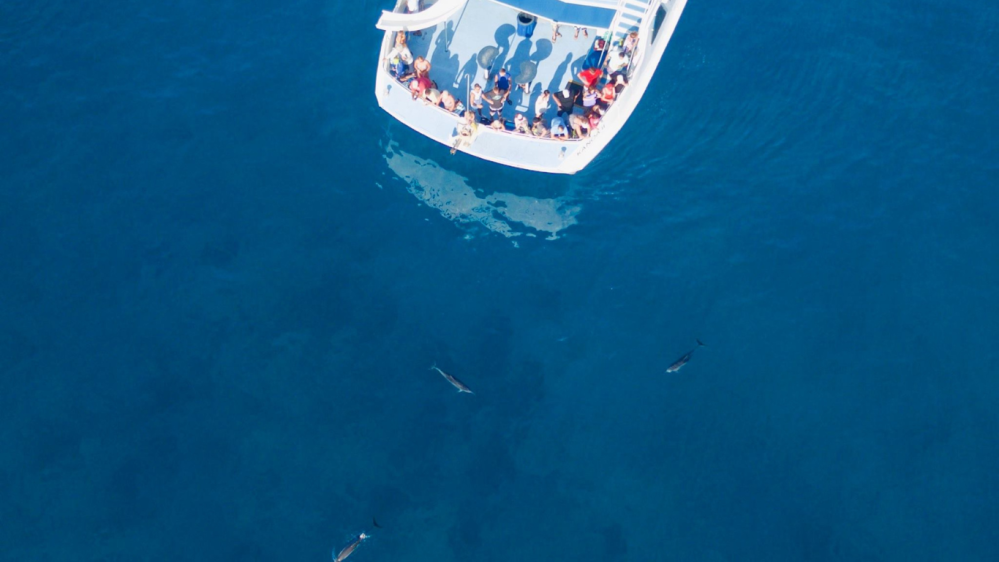
Watching dolphins from a responsible boat tour is the best option. It allows you to:
- Observe natural dolphin behavior
- Avoid disturbing resting areas
- Learn from knowledgeable crews
- Enjoy sightings safely and legally
You’ll still see dolphins swimming, spinning, and traveling together, just without interrupting their day.

The Best Way to See Dolphins: Big Island Snorkeling & Dolphin Watch
Body Glove Hawaiʻi’s Snorkeling & Dolphin Watch Cruise is designed to showcase marine life while putting conservation first.
Dolphins are viewed from the boat, while snorkeling takes place at incredible spots like Red Hill, a protected marine sanctuary only accessible by boat.
What Makes Red Hill Special?
Red Hill’s crystal-clear water is home to more than 600 species of marine life, from colorful reef fish to vibrant coral formations. Dolphins are often spotted cruising alongside the boat on the way to the snorkel site, adding an extra layer of magic to the journey.
What’s Included on the Tour?
This experience is all about comfort and fun:
- Continental breakfast
- BBQ lunch (beef burgers or vegan taro burgers)
- Snacks, sodas, and juices
- Snorkel gear and prescription masks
- Snorkeling instruction from lifeguard-trained crew
- Around 2.5 hours of water time
- Flotation devices and water toys
- A 20-foot waterslide
- Freshwater showers onboard
- Full bar for adult beverages
Whether it’s your first time snorkeling or you’d rather relax on deck with a drink, there’s something for everyone.
What If a Dolphin Approaches Me?
If a dolphin swims near you while you’re in the water, it can be an unforgettable moment. The best thing to do is simple: stay still and let the dolphin lead.
Don’t reach out, chase, or try to interact. Letting dolphins control the encounter shows respect and keeps everyone safe.
Frequently Asked Questions About Dolphins on the Big Island
Is it legal to swim with dolphins in Hawaiʻi?
No. Swimming with wild spinner dolphins is illegal under the Marine Mammal Protection Act.
When are dolphins near shore?
Spinner dolphins come close to shore during the day to rest after feeding offshore at night.
Can I snorkel if dolphins are nearby?
Yes, as long as you keep at least 50 yards away and don’t actively engage.
What’s the difference between dolphin watching and swimming with dolphins?
Dolphin watching means observing from a respectful distance. Swimming with dolphins involves intentional interaction, which is illegal and harmful.
Will I see other marine life on the Body Glove tour?
Absolutely. Hawaiʻi’s waters are home to sea turtles, manta rays, tropical fish, and—seasonally—humpback whales.
Show Dolphins Some Aloha
Watching dolphins responsibly is all about giving them space to rest, feed, and care for their young. By keeping your distance and observing without interfering, you help protect these animals and their natural behaviors.
Let’s keep wild dolphins wild, so everyone can enjoy the wonder of seeing spinner dolphins leap, spin, and glide in Hawaiian waters for generations to come.
Ready to see dolphins the right way? Join Body Glove Hawaiʻi’s Big Island Snorkeling & Dolphin Watch for an unforgettable ocean adventure: fun, safe, and fully respectful of the animals.