

What Exactly Is Coral?
Before we dive into bleaching, let’s talk about what coral actually is. Corals are relatives of sea anemones, and they’re built from a simple structure called a polyp. Picture a tiny tin can open at one end—that’s basically a coral polyp. The open end has a mouth surrounded by tentacles armed with stingers (called nematocysts) that let the polyp capture small organisms drifting by.
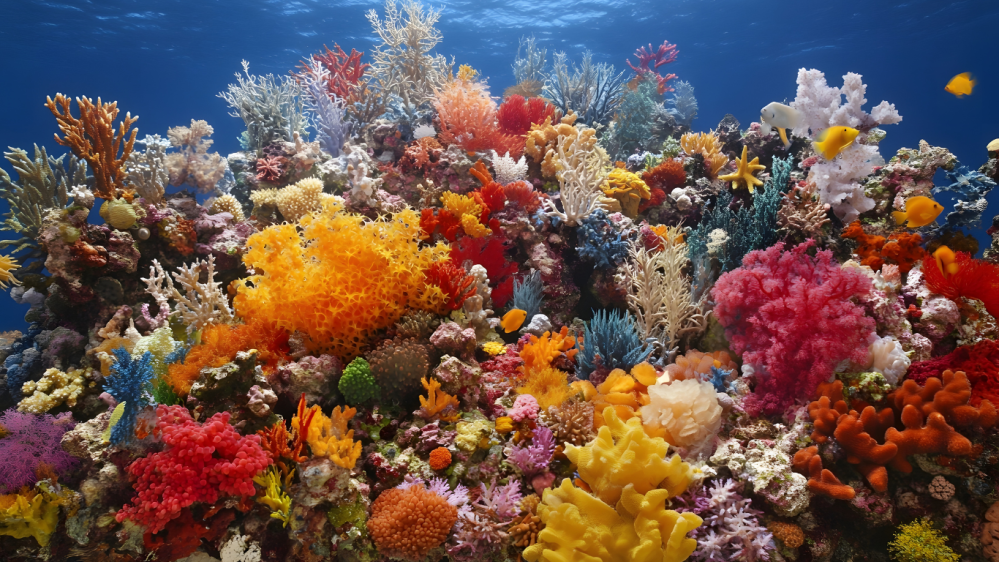
Many warm-water corals have a special relationship with a single-celled algae that live inside their tissues called zooxanthellae. These algae photosynthesize and share the food they produce with their coral hosts. In return, the coral provides nutrients and a safe home. It’s this partnership that gives corals their stunning colors and most of their energy.
And they’re not just beautiful. Despite covering only 0.1% of the ocean floor, coral reefs support 25% of all marine life—a riot of biodiversity that rivals our rainforests. They also provide critical ecosystem services: protecting coastlines from storms and tsunamis, serving as nurseries for fish populations, and supporting the livelihoods of around 500 million people worldwide.
What Is Coral Bleaching?
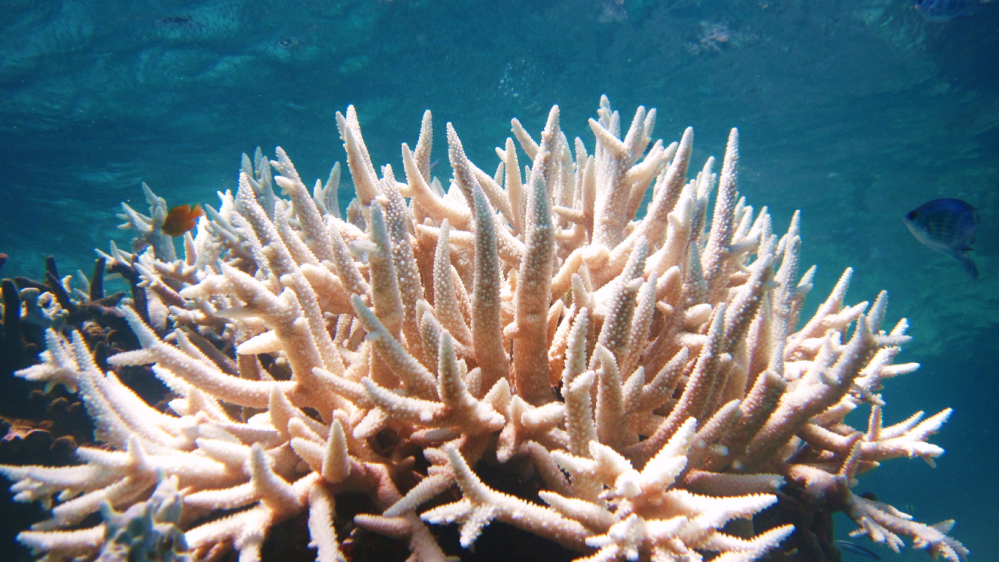
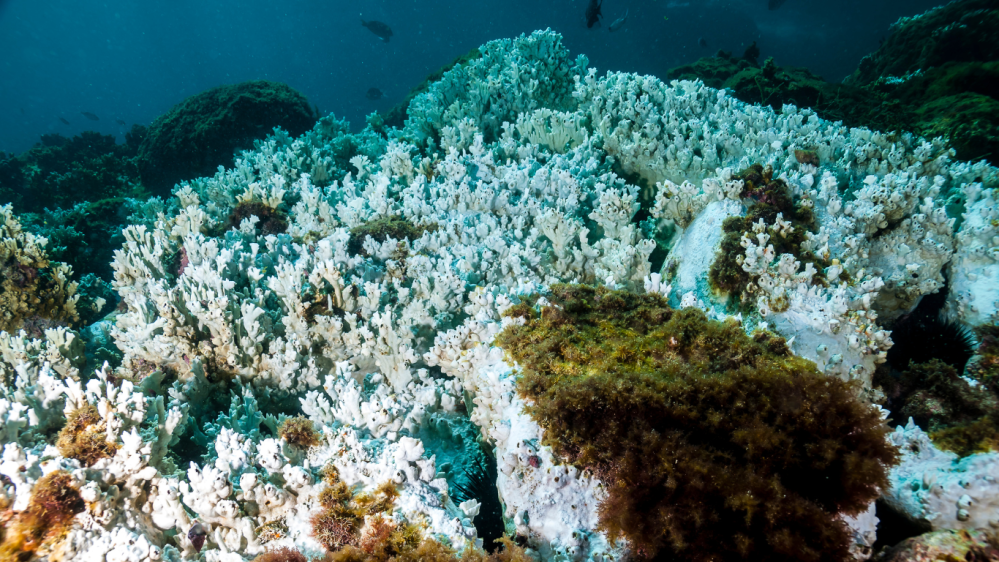
Coral bleaching happens when corals experience environmental stress—usually from warm ocean waters—and expel those zooxanthellae living in their tissues. Without these algae, corals lose both their vibrant colors and up to 90% of their energy supply.
When corals lose these algae:
- They turn white (or “bleached”)
- Their energy supply plummets
- They become way more vulnerable to disease and death
Here’s the thing: bleached corals aren’t dead yet, but they’re extremely stressed. If conditions return to normal quickly enough, they can recover. If the stress continues, though, corals may die and entire reef ecosystems can collapse.

What Causes Coral Bleaching?
While warming ocean temperatures remain the number one cause, bleaching is the result of multiple environmental pressures that often overlap. Here’s a deeper look at what drives bleaching around the world—and here in Hawaiʻi.
1. Rising Ocean Temperatures
This is the number one cause of coral bleaching worldwide. Even a small increase—just 1–2°F above the usual summer maximum—can trigger bleaching.
Hawaii has experienced significant bleaching events in recent years. In 2014, 2015, and 2019, prolonged warm-water periods hit reefs hard, especially along West Hawaii, Maui Nui, and Oahu. Some of the reefs we visit on our tours showed signs of stress during these events, though many have bounced back with time.
The Great Barrier Reef in Australia has suffered multiple mass bleaching events over the past decade, with some regions losing more than half their coral cover.
2. Intense Sunlight & UV Stress
When ocean temperatures are already elevated, bright sunlight can make things worse. Strong UV radiation damages both the algae and the coral tissues themselves.
In Japan’s Ryukyu Islands, the combination of late-summer heat and intense sunlight has caused severe bleaching that continues to affect local ecosystems.
3. Ocean Acidification
As the ocean absorbs more carbon dioxide from the atmosphere, the water’s pH level drops. This acidified water makes it harder for corals to build their calcium carbonate skeletons and reduces their ability to bounce back from heat stress.
Parts of the Indian Ocean, including the Maldives and Seychelles, have seen slower recovery from major bleaching events, partly due to increasing acidification.
4. Pollution & Runoff
Fertilizers, sewage, plastic waste, and other pollutants seriously degrade water quality and stress coral reefs.
Here in Hawaii, heavy rainfall or construction-related runoff can carry sediment and pollutants into reef areas. This has affected reefs near West Maui, Honolulu, and the Kona Coast—places where we see firsthand how important it is to protect water quality.
5. Sedimentation
Sediment from erosion, dredging, or coastal development settles on corals, blocking sunlight and smothering the tiny polyps that make up the reef.
6. Disease Outbreaks
Bleached corals are sitting ducks for disease. Pathogens spread more easily in warmer waters, creating a vicious cycle of stress and illness.
7. Overfishing & Ecosystem Imbalance
Reef fish—especially parrotfish and surgeonfish—play a crucial role in controlling algae growth. When these fish are overharvested, algae can overwhelm the reef, increasing coral stress and slowing recovery after bleaching events.
How Coral Bleaching Has Affected Hawaiian Waters and Oceans Around the World
Coral bleaching isn’t isolated to one spot—it’s a global crisis with very local consequences.
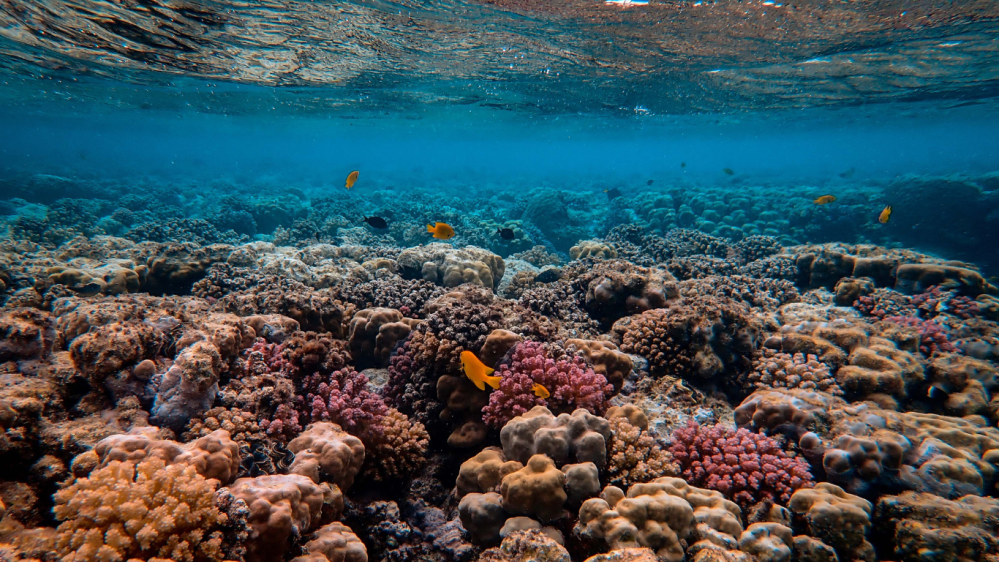
Hawaii: The bleaching events over the last decade have left their mark, particularly on reefs along West Hawaii and Maui Nui. Some corals bounced back, while others experienced long-term mortality. For those of us who spend time on the water here in Kona, watching these reefs struggle has been heartbreaking—but seeing them recover gives us hope.
Great Barrier Reef: Multiple mass bleaching events since 2016 have fundamentally altered the reef’s structure and reduced overall coral cover.
Japan (Ryukyu Islands): Rising temperatures combined with strong summer sunlight have caused recurring bleaching that affects both coral and the fish populations that depend on them.
Indian Ocean (Maldives, Seychelles, Sri Lanka): The devastating 1998 El Niño event was followed by major bleaching in 2010 and 2016, transforming many reef systems.
These regions span different climates and continents, but they all tell the same story: as ocean temperatures rise globally, coral bleaching is becoming more frequent, more severe, and more widespread.
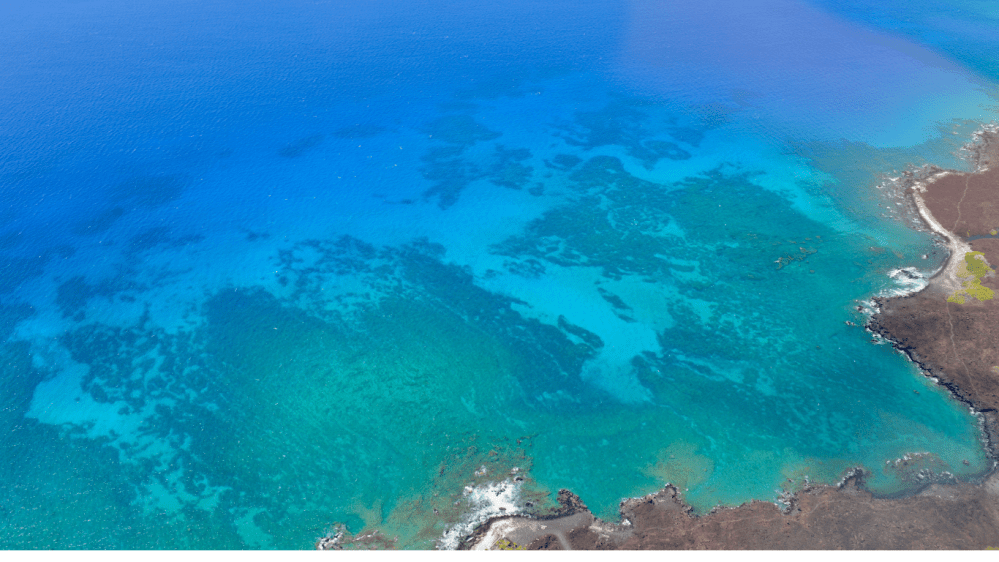
The Impact of Coral Bleaching on the World
Coral bleaching isn’t just a problem for fish and divers—it affects entire communities, economies, and coastal ecosystems.
1. Loss of Marine Biodiversity
When corals die, fish populations decline, species lose their homes, and entire ecosystems start to unravel. The cascading effects can devastate the incredible diversity that reefs support.
This pattern has played out across the Great Barrier Reef, Indian Ocean reefs, and right here in Hawaiian waters.
2. Reduced Coastal Protection
Healthy reefs act as natural breakwaters, absorbing up to 97% of wave energy and protecting shorelines from erosion and storm damage.
As reefs weaken, coastal erosion accelerates and communities become more vulnerable to hurricanes and rising sea levels—a growing concern for Hawaii’s coastline.
3. Economic Losses
Coral reefs are economic powerhouses. They fuel tourism, diving, fishing, and countless local businesses.
Here in Hawaii, healthy reefs are a major reason people visit. When reefs decline, so does the appeal for snorkelers and divers. Global destinations like Okinawa and parts of the Indian Ocean have seen tourism drop after severe bleaching years.
Fisheries also suffer when reef habitats diminish, affecting jobs and food supplies for coastal communities.
4. Threats to Global Food Security
Hundreds of millions of people around the world rely on reef fisheries for protein. When reefs bleach and die, fish populations crash, catches decline, and coastal communities face serious food security challenges.
This is especially critical in the Pacific Islands, Southeast Asia, and Indian Ocean nations where reef fish are a primary food source.
5. Cultural and Community Impacts
In Hawaii, coral reefs (ko’a) are deeply woven into cultural practices and traditions. Bleaching doesn’t just damage ecosystems—it affects:
- Traditional subsistence fishing practices
- Community-based management and stewardship efforts
- Cultural identity and connection to place
Reef loss isn’t just environmental—it’s deeply personal for the communities that depend on them.
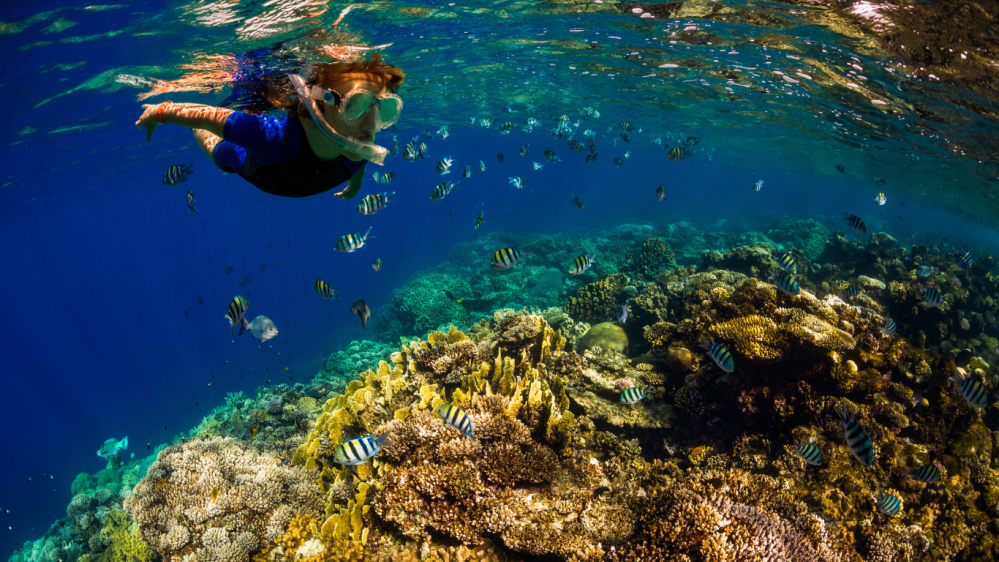
Rebuilding Coral Reefs Through Fragmentation
While preventing bleaching requires large-scale climate action, reef restoration offers real hope for damaged ecosystems. One of the most promising methods is coral fragmentation (also called microfragmentation).
Here’s how it works:
- Small pieces of healthy coral are carefully collected
- They’re grown in underwater nurseries or land-based tanks
- Once they’ve matured, they’re reattached to degraded reef areas
Why it’s so effective:
- Small coral fragments grow significantly faster than large colonies—sometimes up to 40 times faster
- It increases genetic diversity, making reefs more resilient
- It jumpstarts recovery in areas damaged by bleaching, storms, or human activity
Hawaii is home to several organizations leading coral restoration efforts through fragmentation, helping to restore native species and rebuild reef structure after bleaching events. Similar programs are making progress in the Florida Keys, the Caribbean, and even the Great Barrier Reef.
It’s not a silver bullet, but it’s a powerful tool that gives damaged reefs a fighting chance.
Hope on the Horizon: New Coral Discoveries
Here’s some encouraging news: scientists continue to discover reefs in unexpected places, showing us just how resilient coral can be.
A team of American and Brazilian researchers recently discovered a massive reef system stretching more than 600 miles along the mouth of the Amazon River. This reef covers 3,600 square miles of ocean floor from French Guiana to Brazil’s Maranhão State—and it shouldn’t exist at all.
The Amazon River plume is incredibly muddy, blocking most sunlight from reaching the ocean floor. Yet somehow, this reef thrives. The southern portion, dominated by tough, staghorn-like corals, is covered by murky water only three months a year, giving it enough sunlight for photosynthesis. The northern section, home to more sponges and predatory creatures, survives in near-darkness for more than half the year.
This discovery is huge. These tougher, more resilient reefs show us that coral can adapt to harsher conditions than we thought possible. As climate change continues to stress tropical reefs, understanding how these hardier systems survive could be key to protecting coral biodiversity worldwide.
How We Can Protect Coral Reefs
Here’s what individuals, travelers, and communities can do:
- Choose reef-safe sunscreen (avoid oxybenzone + octinoxate).
- Body Glove Cruises is the first boat in the state of Hawaii to offer a “Reef Safe” sunscreen that does not harm the coral reef and stays on your skin and not in our ocean. We have a pump station on board for complimentary use.
- Support responsible snorkeling/diving operators.
- Reduce personal carbon footprints.
- Volunteer or donate to reef restoration projects.
- Avoid standing on or touching coral reefs.
- Reduce plastic use and help keep shorelines clean.
- Advocate for marine protected areas and sustainable fisheries.
Even small behavioral changes—especially when multiplied by millions—help ensure reefs survive for generations to come.
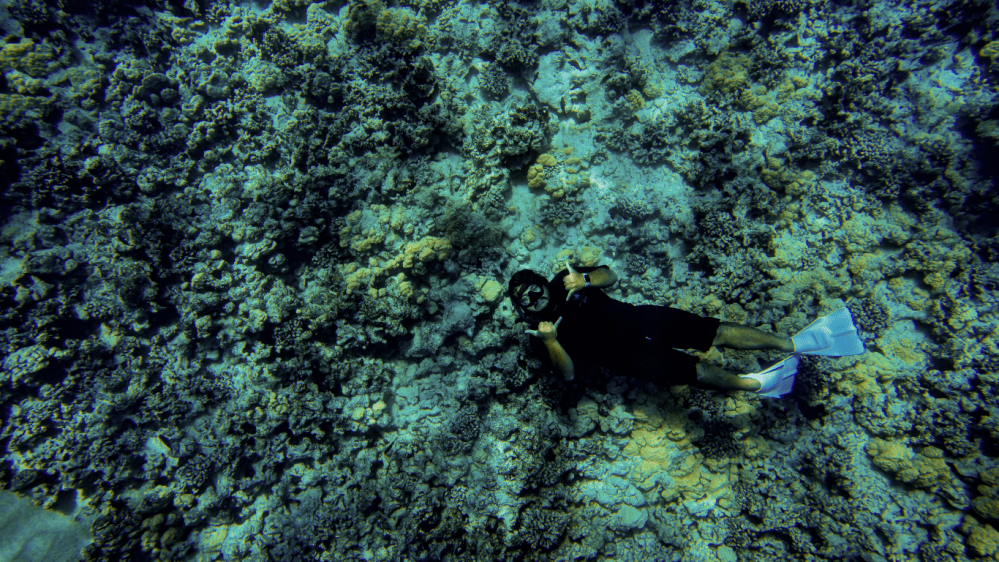
Frequently Asked Questions About Coral Bleaching & Coral Reef Protection
What is coral bleaching?
Coral bleaching happens when corals expel the algae living in their tissues due to stress, causing them to turn white and become weakened.
What causes coral bleaching?
Rising ocean temperatures are the main trigger, but pollution, ocean acidification, intense UV exposure, sedimentation, and disease all play a role.
Is bleached coral dead?
Not immediately—bleached coral is alive but extremely stressed. It can recover if conditions improve quickly enough.
Why is coral bleaching bad?
Bleaching weakens entire reef ecosystems, leading to habitat loss, reduced biodiversity, economic impacts, threats to food security, and weakened coastal protection.
How does coral bleaching occur?
The process goes like this: heat stress → algae are expelled → coral turns white → coral becomes energy-deficient → recovery or death, depending on conditions.
Can coral recover from bleaching?
Yes, but only if water temperatures drop back to normal and other stressors decrease quickly. The longer the stress continues, the lower the chances of recovery.
What happens when coral bleaches?
Coral loses its color, becomes stressed and weakened, and is far more vulnerable to disease and starvation.
How can we protect coral reefs?
Use reef-safe sunscreen, avoid touching or standing on corals, reduce plastic waste, support responsible tourism, cut carbon emissions, and get involved in reef stewardship programs. Every small action adds up.
Where does coral bleaching happen?
Bleaching occurs worldwide—in Hawaii, Australia, the Indian Ocean, Southeast Asia, Japan, the Caribbean, and beyond. No reef system is immune when ocean temperatures rise.
What is coral fragmentation?
It’s a restoration technique where small pieces of healthy coral are grown in nurseries and then replanted to help rebuild damaged reefs. It’s one of the most effective ways to restore reef ecosystems after bleaching or storm damage.
Take Action to Protect Our Reefs
Coral reefs are under immense pressure, but understanding what causes coral bleaching—and what we can do about it—empowers all of us to make a difference. Protecting these incredible ecosystems requires awareness, care, and ongoing support for marine conservation.
Every step we take toward reducing our environmental impact helps keep coral reefs vibrant, healthy, and teeming with life. Whether you’re snorkeling off Kona, visiting reefs around the world, or simply making eco-conscious choices at home, you’re part of the solution.
Ready to see healthy reefs in action? The next time you’re in Kona, join a Body Glove Cruise to experience the vibrant world beneath the surface.