

Snorkeling in Hawaii: A Beginner’s Guide
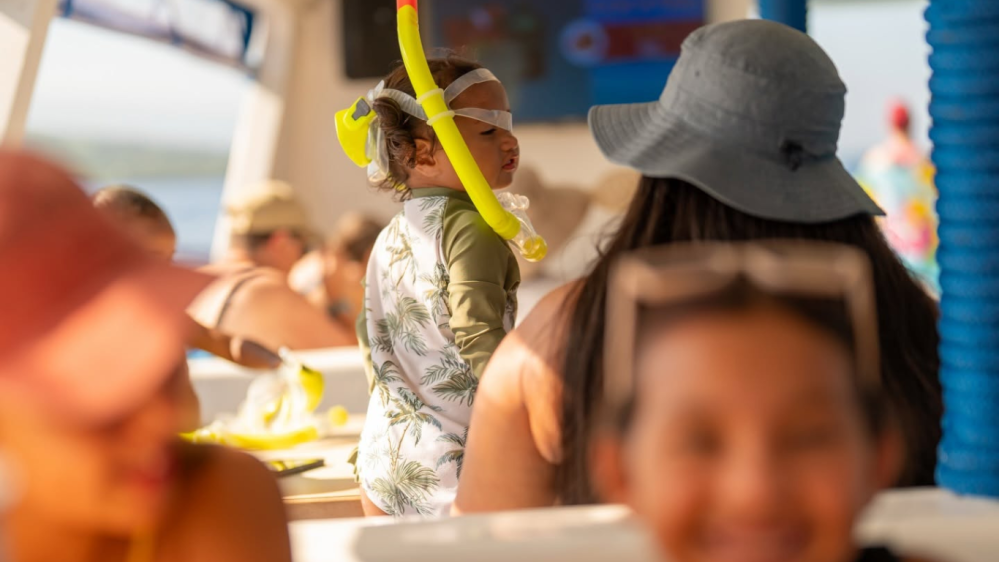
The crystal clear water and vibrant reefs are exactly why people travel to Hawaii in the first place. But if you have never snorkeled before, the idea of floating face-down in the open ocean can feel a little overwhelming. Good news: snorkeling for beginners is easier than most people expect, and with a few basics down, you will soon be snorkeling like a pro.
- Why Hawaii Is One of the Best Places to Learn to Snorkel
- Before You Get in the Water: What to Expect
- Essential Snorkel Gear for Beginners
- 5 Beginner Snorkeling Skills to Master
- Should Beginners Choose a Guided Snorkel Tour?
- How to Choose Your First Snorkel Spot in Hawaii
- Snorkeling Safety & Reef Etiquette
- After Your First Snorkel
- Book a Beginner-Friendly Kona Snorkel Tour
- Frequently Asked Questions
Why Hawaii Is One of the Best Places to Learn to Snorkel
Hawaii’s warm water, calm bays, and healthy reef systems make it one of the best places on earth to try snorkeling for the first time. You do not need a wetsuit, you do not need certification, and you do not need to be a strong swimmer. You just need to be comfortable floating and breathing through a tube, and that is a skill you can pick up in minutes.
Whether it is your first time snorkeling or you just need a refresher after a few years away from the water, a little guidance goes a long way toward turning nerves into excitement.
Before You Get in the Water: What to Expect
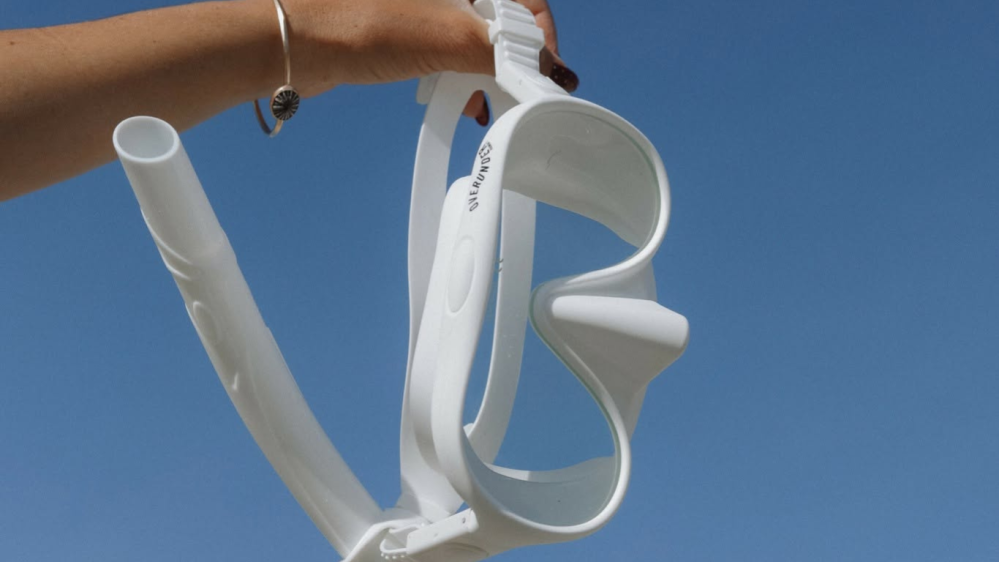
Any good snorkeling experience starts on dry land, not in the water. Before hopping in, a proper snorkel briefing should walk you through the basics and give you tips and tricks so you know exactly what to do once you are in the ocean.
Essential Snorkel Gear for Beginners
If you do not have your own equipment, look for a tour or rental shop that provides high-quality masks, snorkels, and fins. Ill-fitting gear is one of the biggest reasons beginners struggle, so it is worth taking a few minutes to get properly fitted before you go anywhere near the water.
- Mask: Should sit snugly without a strap, using suction alone. Press it to your face and inhale gently through your nose. If it stays in place, it fits.
- Snorkel: Look for a simple tube with a comfortable mouthpiece and, ideally, a splash guard or purge valve to make clearing water easier.
- Fins: Should be snug but not painfully tight. Well-fitted fins mean less effort and a more efficient kick.
Once your gear fits properly, learning a few basic techniques will make your first snorkel far more comfortable.
Snorkeling for Beginners: 5 Skills to Master First
Once you are geared up, a handful of simple techniques make the difference between an exhausting struggle and an effortless glide across the reef.
1. Let Your Legs Do the Work
Using your arms to swim will tire you out fast. For the easiest swim, keep your arms at your sides and let your legs do the work. Fins are far more efficient than your arms, and resting them along your body also helps you glide through the water with less drag.
2. Stay Flat at the Surface
Staying flat, rather than treading water vertically, keeps you streamlined and conserves energy. Think less “standing in the pool” and more “floating on a lounge chair.” A flat body position also gives you a much better view of what is happening below.
3. How to Clear Water From Your Snorkel
Getting a little water in your snorkel is completely normal and nothing to worry about. A forceful exhale will send the water out the top of the tube or through the purge valve at the bottom, depending on your gear. If you dive down and plan to surface, start exhaling just before you reach the top so you get a water-free breath the moment you break the surface.
4. How to Clear Water From Your Mask
If water sneaks into your mask, you can fix it in seconds. Push down gently on the top of the mask while exhaling out your nose, and the air pressure will push the water straight out through the bottom. If you are already at the surface, you can simply pull the bottom edge of the mask away from your face to dump the water out.
5. The Duck Dive: Diving Down Like a Pro
It is only natural to want to get a closer look at the reef, and the duck dive is the go-to technique for it. Here is how it works:
- Stay flat at the surface while propelling yourself forward.
- Bend forward at the waist.
- Raise your legs up and out of the water.
- Let your own weight and momentum carry you down.
The key is to stay within your limits. You do not need to dive deep to see something amazing, and a shallow dive is just as rewarding as a dramatic one.
Is a Guided Snorkel Tour Worth It for Beginners?
Beginners often wonder whether they should just grab gear and head to a beach on their own or book a guided experience. Both can work, but they offer very different experiences.
| Going It Alone | Guided Snorkel Tour | |
| Gear | Rent locally and check the fit yourself | Provided and fitted for you |
| Instruction | Watch tutorials and practice in shallow water | Hands-on briefing and coaching |
| Spot selection | Research bays and check conditions yourself | Crew picks the best conditions that day |
| Safety net | Bring a buddy and watch for lifeguards | Knowledgeable crew watching the water |
| Confidence level needed | Higher, comfortable swimmers only | Lower, ideal for first-timers |
For anyone snorkeling for the first time, a guided tour tends to be the more comfortable option. You get real-time coaching on gear fit, breathing, and technique, plus a crew who already knows where the fish and turtles are hanging out that day. If you go with Body Glove, that guidance starts right on the vessel: every first-time snorkeler (or anyone wanting a refresher) is welcome to join our “Snorkeling 101” class before anyone gets in the water.
How to Choose the Best Snorkel Spot for Beginners in Hawaii
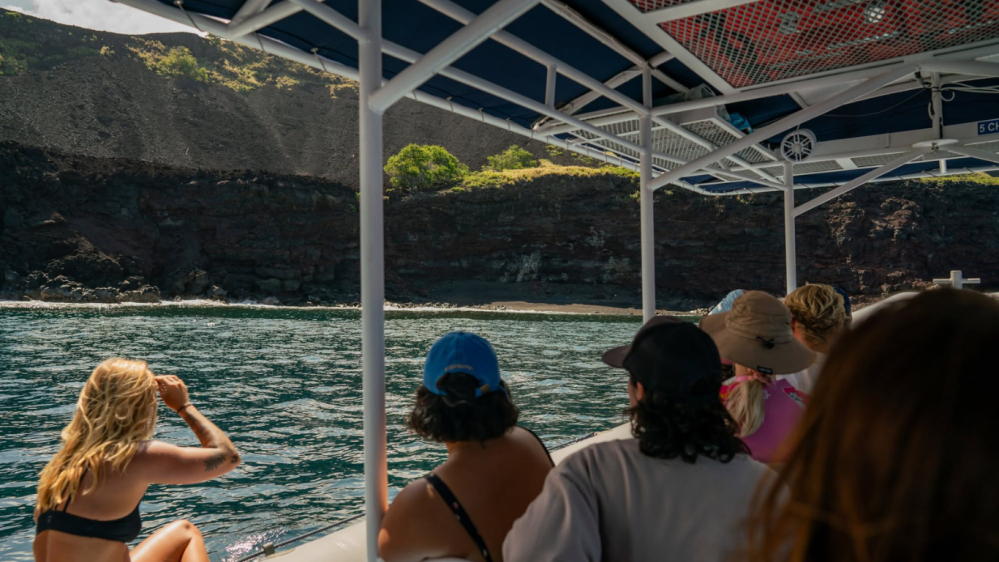
Not all snorkel spots are created equal, especially when you are still building confidence in the water. Beginners generally do best in bays with calm, protected water and easy shoreline access, rather than open coastline with waves and current.
If you are snorkeling on the Big Island, we put together a full breakdown of our favorite best snorkel spots in Kona, covering everything from protected bays to reef structure and what marine life to expect at each one.
Snorkeling Safety and Etiquette Tips
A little ocean etiquette keeps you, the reef, and the marine life safe:
- Use reef-safe sunscreen to protect coral and marine life.
- Never touch or chase marine life, including honu (sea turtles). It is harmful to them and illegal in Hawaii.
- Avoid standing or kicking off coral. It is a living, fragile ecosystem.
- Stick to the buddy system and never snorkel completely alone.
- Snorkel in the morning when possible, since winds and chop tend to pick up later in the day.
- Stay within your comfort level. There is no prize for going the farthest or the deepest.
After Your Swim
Once you are back on board or back on the sand, take a minute to just relax and let it sink in. Snorkeling for beginners is as much about the calm, floating feeling as it is about the fish. Rinse your gear, hydrate, and compare notes with your group. Chances are, everyone has a different favorite moment from the swim.
Ready to Try It? Book a Beginner-Friendly Kona Snorkel Tour
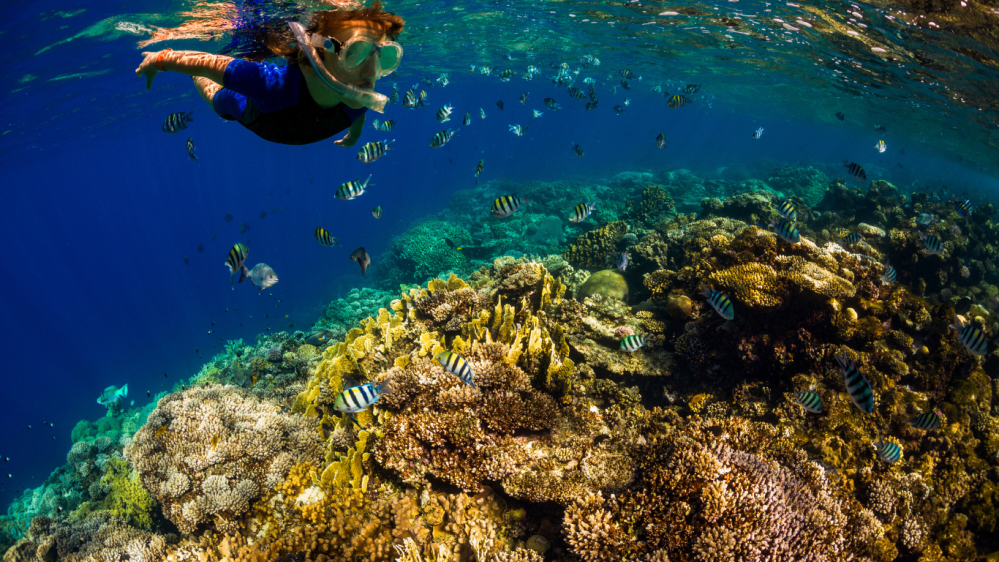
Your first snorkel doesn’t have to be perfect. You might get a little water in your snorkel, adjust your mask a few times, or spend the first couple of minutes finding your rhythm. That’s all part of learning. Before long, you’ll be floating comfortably above colorful reefs, watching tropical fish dart below and, with a little luck, spotting a honu gliding through the water.
If you’d rather skip the guesswork, join us on the water. Our Kona snorkel tour is designed with first-timers in mind, with a thorough pre-snorkel briefing, high-quality gear professionally fitted to you, and a knowledgeable crew ready to help every step of the way.
We also welcome non-swimmers. Our catamarans are equipped with life jackets, noodles, sea-view boards, boogie boards, and inner tubes, while our First Aid, CPR, and Lifeguard-certified crew—including at least three designated lifeguards during every snorkel—is always nearby to provide support.
Remember, snorkeling isn’t a race. Slow down, float, and enjoy watching Hawaii’s underwater world come to life beneath you. Before long, you’ll stop thinking about your snorkel and start thinking about the sea turtle swimming below you. That’s when the magic really begins.
Frequently Asked Questions About Snorkeling for Beginners
Do I need to know how to swim to go snorkeling? You should be comfortable in the water, but you do not need to be a strong swimmer. Fins do most of the work, and staying flat at the surface takes far less effort than treading water.
What if I get water in my mask or snorkel? It happens to almost everyone. A quick exhale clears your snorkel, and pressing down on the top of your mask while exhaling through your nose clears your mask. Both are quick fixes you can do without ever standing up.
Is snorkeling safe for kids and older adults? Yes, as long as they are comfortable in the water and stick to calm, shallow conditions. Guided tours are a great option for families or anyone who wants extra support in the water.
What marine life will I see while snorkeling in Hawaii? Depending on the spot, you might spot honu, colorful reef fish such as tangs and butterflyfish, and the occasional reef shark or ray. Every swim is a little different.
How deep do I need to dive to see coral and fish? Not deep at all. Most of the best snorkeling happens just a few feet below the surface, well within view without any diving required.
Do I need to bring my own snorkel gear? Not necessarily. Most guided tours, including our Kona snorkel tour, provide high-quality masks, snorkels, and fins fitted to you, so you can travel light and still get a great fit.
What should I do if I feel nervous before my first snorkel? That is completely normal. A proper briefing before you get in the water, paired with a slow, calm entry and a buddy or guide nearby, resolves most first-timer nerves within the first few minutes in the water.