

Big Island Eco Tours: How to Explore Hawaii’s Coast the Right Way
If you’re planning a trip to the Big Island and the words “eco-friendly,” “reef-safe,” and “leave no trace” are already in your vocabulary, this guide is for you. Hawaii’s marine and coastal ecosystems are extraordinary, but they’re increasingly fragile. The good news? You don’t have to choose between an amazing ocean adventure and being a responsible traveler.
Whether you’re snorkeling above a thriving reef, spotting humpback whales during Hawaii’s whale season, or watching the Kona sunset from the water, you can do all of that in ways that respect the environment and wildlife. This guide breaks down the best eco-conscious tours and experiences on the Big Island, as well as what to look for when you’re choosing how to spend your time on the water.
- What Actually Makes an Eco-Friendly Tour?
- Body Glove Hawaii’s Approach to Sustainable Ocean Tourism
- The Best Eco-Conscious Tours on the Big Island
- Protecting the Reef While You’re Here
- Frequently Asked Questions
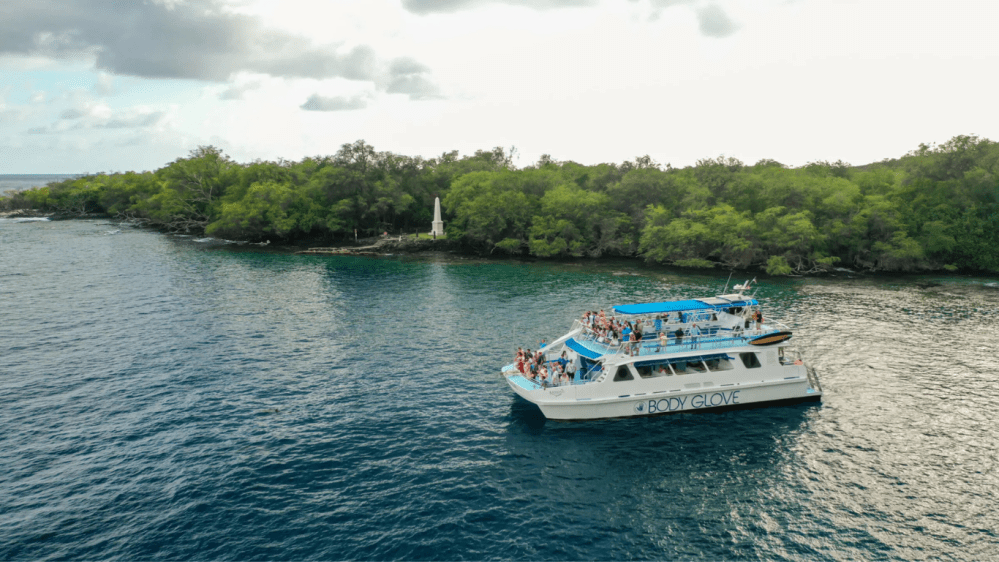
What Actually Makes a Tour “Eco-Friendly”?
The term “eco tour” gets thrown around a lot, and not all operators use it the same way. Before you book anything, it’s worth knowing what to look for.
A genuinely eco-friendly ocean tour typically checks several of these boxes:
- Reef-safe sunscreen policies — Oxybenzone and octinoxate are banned in Hawaii for good reason. Any operator serious about reef health should enforce this.
- No-touch, no-feed marine life policies — This applies to fish, turtles, dolphins, and especially coral.
- Naturalist or marine educator onboard — Guided interpretation makes a huge difference. You’re not just looking at wildlife — you’re understanding it.
- Sustainable vessel operations — Fuel efficiency, waste management, and responsible anchoring all matter.
- Community and conservation involvement — Does the company give back? Do they participate in beach cleanups, reef monitoring, or environmental education?
- Transparent environmental policies — Not just a logo on a website, but documented commitments.
If an operator can’t tell you specifically what they do to protect the reef and the ocean, that’s a signal.
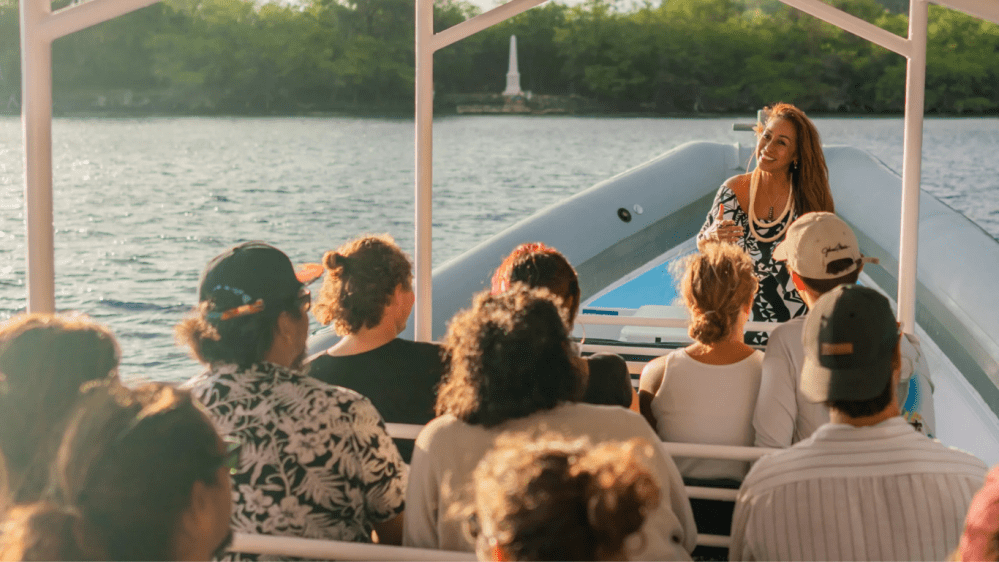
Body Glove Hawaii’s Approach to Sustainable Ocean Tourism
We’ve been running tours out of Kona since 1983. That’s four decades of watching these waters, and we take the long view seriously. Sustainable tourism in Hawaii isn’t a marketing angle for us — it’s part of how we operate day-to-day.
Here’s what that looks like in practice:
Reef-Safe Sunscreen — Non-Negotiable
We provide reef-safe sunscreen on our tours and ask all guests to use it. The science on chemical sunscreen and coral bleaching is clear. Hawaii state law reflects that. We just actually enforce it.
Reef-safe sunscreen doesn’t contain oxybenzone or octinoxate, the chemical fillers most responsible for coral bleaching. Instead, reef-friendly zinc-oxide or titanium dioxide protects skin from sunburn.
Marine Education, Not Just Marine Entertainment
The difference between a boat that drops you in the water and one that teaches you something is significant — both for your experience and for the reef. When guests understand what they’re looking at, they’re more careful with it. Our crew is trained to identify local marine species, explain reef ecology, and answer the questions you didn’t know you had.
Responsible Wildlife Viewing
We follow all federal and state guidelines for marine wildlife interaction — and in many cases, we go beyond them. When it comes to dolphins and whales, distance matters. We’ll talk more about that below.
Our Values Are Baked In
If you want the full picture of where we stand, our mission and values lay it out. We’re a family-run business that loves this coast, and that shapes every decision we make.
The Best Eco-Conscious Tours on the Big Island
Let’s get into the specifics. Here’s a breakdown of the experiences available on the Big Island that prioritize environmental awareness — and what makes each one worth your time.
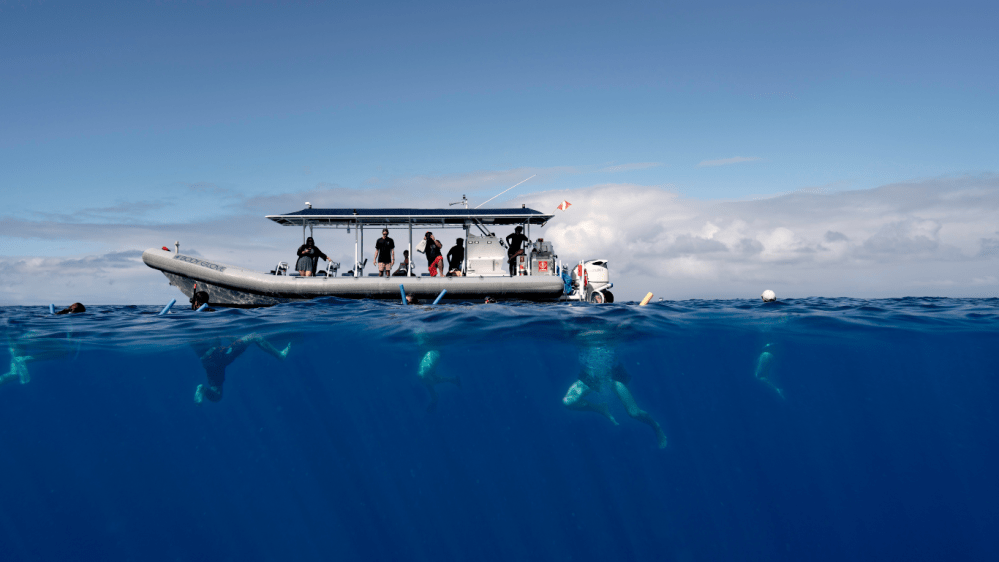
1. Snorkel Tours with Marine Naturalist Guidance
Best for: First-time snorkelers, families, anyone who wants context for what they’re seeing underwater
Snorkeling on the Big Island’s Kona Coast means diving into some of the clearest, most biodiverse water in the Pacific. But there’s a big difference between splashing around and actually understanding the ecosystem you’re in.
A quality eco-focused snorkel tour includes:
- Pre-snorkel briefing on reef etiquette — don’t touch or stand on coral, don’t chase wildlife
- Species identification so you know whether that shadow is a reef fish, a sea turtle, or a manta ray
- Explanation of reef ecology — what healthy coral looks like versus stressed or bleached coral, why certain fish matter, how the system interconnects
- Reef-safe snorkel gear provided or required
Our snorkel tours are designed around these principles. The Kona Coast’s protected waters — including spots like Pawai Bay, which sits inside a State Underwater Park — offer exceptional visibility and marine diversity. Getting there by boat means access to spots you simply can’t reach from shore.
What to look for on any snorkel tour:
- Is reef-safe sunscreen provided or required?
- Does the crew actively guide the snorkel experience or just watch from the boat?
- Are guests briefed on no-touch/no-feed policies before entering the water?
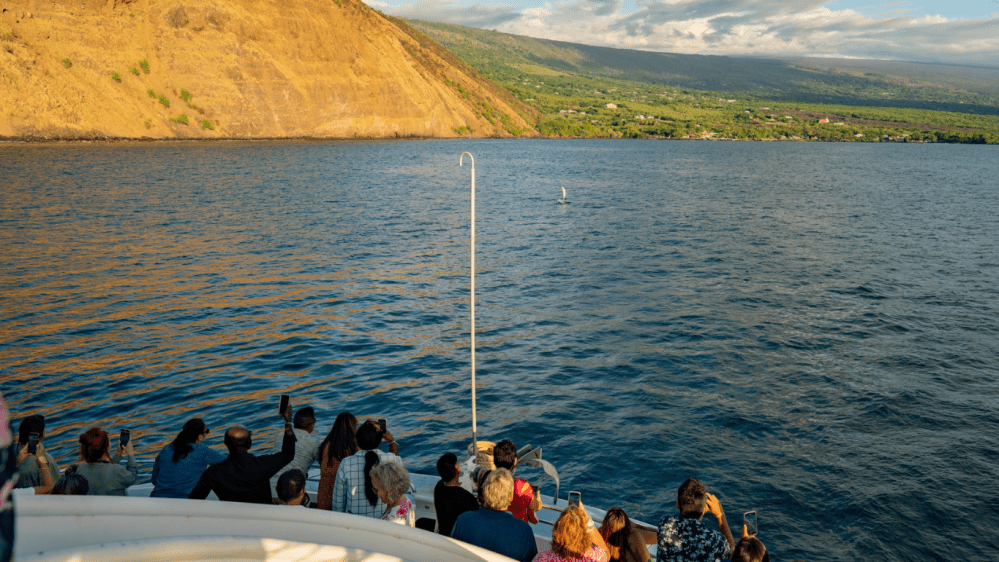
2. Whale Watching — Seasonal, Spectacular, and Scientifically Grounded
Best for: Winter visitors (roughly December through April), wildlife lovers, photographers
Humpback whales migrate to Hawaiian waters every winter to breed and calve, and the waters off the Kona Coast give you a front-row seat. But responsible whale watching is more than just getting close — it’s about understanding what you’re witnessing and making sure your presence doesn’t disturb it.
What separates an eco-conscious whale watch from a standard tour:
| Feature | Standard Tour | Eco-Focused Tour |
| Wildlife approach | Gets as close as legally allowed | Maintains respectful buffer, reads whale behavior |
| Onboard education | Basic narration | Narration from a marine naturalist |
| Guest briefing | Minimal | Detailed behavioral and conservation context |
| Vessel behavior | May idle near whales | Follows responsible approach protocols |
| Conservation framing | Trip as entertainment | Trip as wildlife encounter with ecological significance |
Our whale watching experience includes expert naturalist-led narration, so you’re not just watching a whale breach — you’re learning why it’s doing it, what it means, and why these animals matter to the health of the ocean overall.
Federal law requires vessels to stay at least 100 yards from humpback whales. Ethical operators train their captains and crew to read whale behavior and back off proactively — not just when they hit the legal limit.
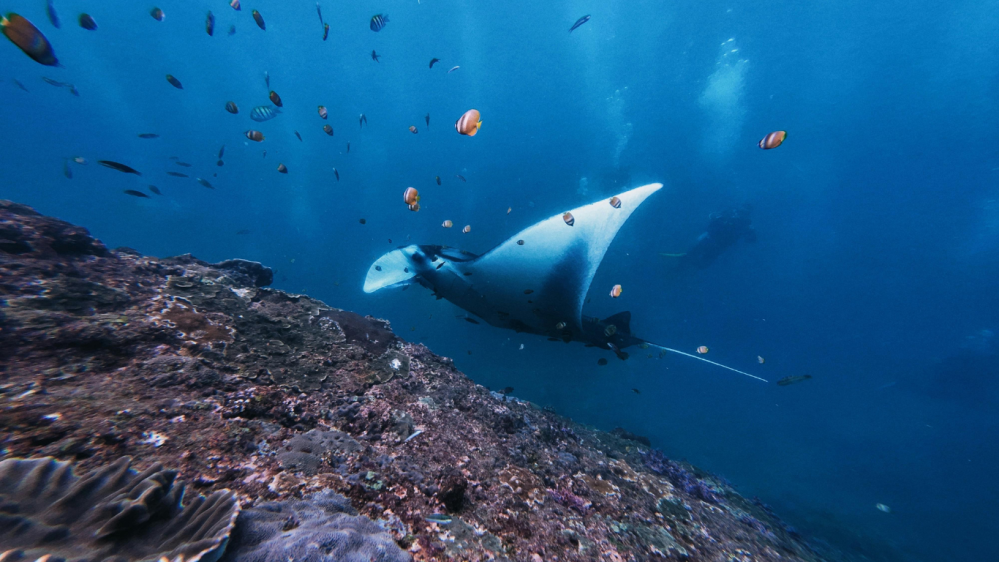
3. Manta Ray Night Snorkel — A Study in Coexistence
Best for: Experienced snorkelers, adults and older teens, anyone willing to float quietly in the dark for one of the most unforgettable wildlife encounters on Earth.
The manta ray night snorkel off Kona is genuinely world-famous — and for good reason. Mantas come in to feed on the plankton attracted to light, and snorkelers float at the surface watching these massive, graceful animals barrel-roll beneath them. When done right, it’s a model of low-impact wildlife tourism.
We don’t offer this tour ourselves, but it’s too good to leave off an eco-tour guide for the Big Island. Kona Style runs a late-night manta ray snorkel departing from Kailua Pier and heading to Manta Ray Village — and their approach reflects the kind of responsible wildlife interaction worth seeking out.
Why it’s naturally eco-conscious when managed well:
- No touching — Mantas have a protective mucus layer that human hands can damage. Any legitimate manta tour drills this before guests ever hit the water.
- Passive observation — You’re not chasing the animals. You’re floating and letting them come to you.
- No feeding — The lights attract plankton, which attract the mantas. The food chain is doing its own thing; you’re just a witness.
- Later departure, smaller crowds — Because of the late start time, there are fewer boats and fewer people at Manta Ray Village, which makes for a more intimate, lower-impact experience overall.
The tour includes a full safety briefing before guests enter the water, and previous snorkeling experience is recommended, which naturally skews the group toward more confident, careful swimmers who are less likely to thrash around and disturb the animals.
Marine life at the site includes not just manta rays but also bioluminescent plankton — one of those phenomena that reminds you the ocean has its own light show running independent of anything humans built. This is one of those experiences where the eco-friendly version isn’t a compromise. It’s just the correct version.
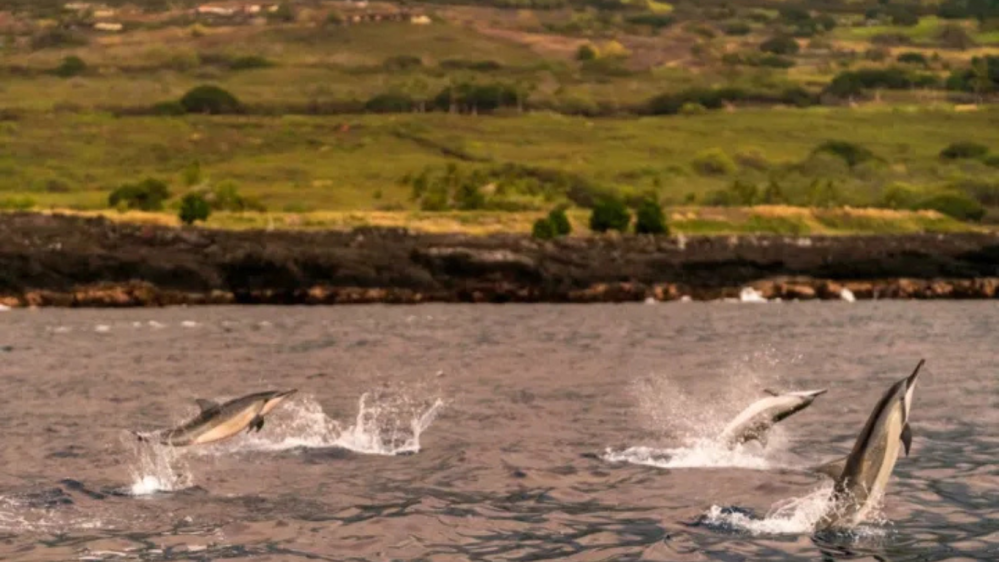
4. Dolphin Watching — From a Respectful Distance
Best for: Everyone, but especially families
Hawaiian spinner dolphins are a beloved part of the Kona Coast experience. They’re also protected — and resting during the day. NOAA regulations prohibit approaching or following spinner dolphins in their resting habitats during daytime hours, and for good reason: these animals hunt at night and need to rest during the day. Repeated disturbance leads to chronic stress and disrupts their natural behavior.
An eco-conscious tour operator:
- Does not market “swim with dolphins” as a daytime activity — This is a red flag.
- Educates guests on dolphin behavior and conservation — Understanding why the rules exist changes how people feel about following them.
- Maintains safe viewing distances — You can still see and appreciate dolphins without getting in their space.
We’ve written about respectful dolphin encounters at length because it’s something our crew is genuinely passionate about. Wild dolphins are extraordinary precisely because they’re wild — let’s keep them that way.
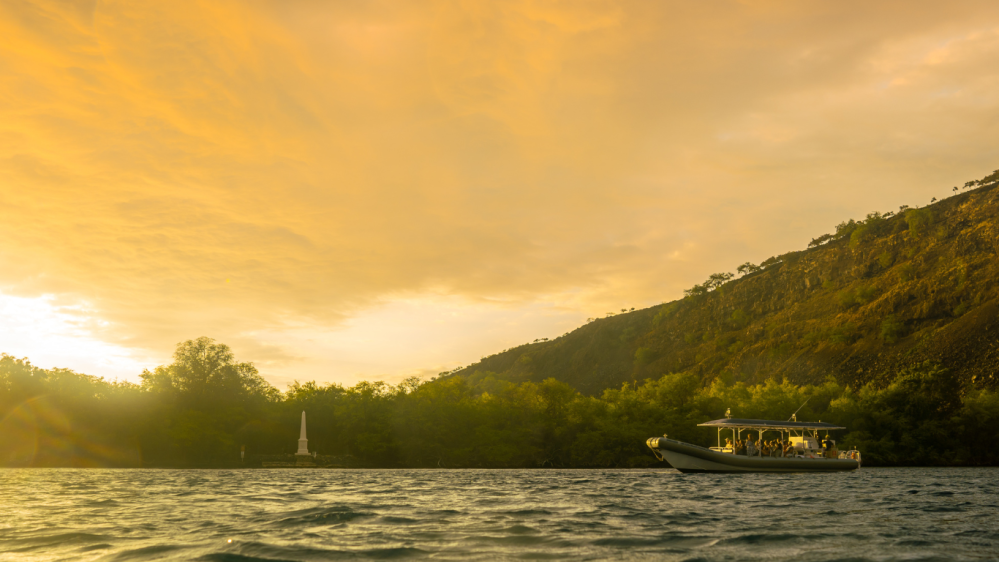
5. Sunset and Dinner Cruises — Low Impact, High Experience
Best for: Couples, celebrators, guests who want a beautiful evening on the water without the athletic component
Not every eco-friendly experience involves snorkel fins. An evening cruise along the Kona Coast — watching the sun drop behind the water, spotting flying fish, and settling in with good food and a cold drink — can be just as intentional as a snorkel tour when the operator is running a responsible vessel.
What makes a dinner or sunset cruise eco-conscious:
- Efficient vessel operations — Fuel consumption, engine maintenance, and route planning all affect the carbon footprint of a cruise.
- Responsible waste management — Nothing goes overboard. Ever.
- Mindful anchoring — Dragging anchors across coral is one of the most destructive things a boat can do. Responsible operators use mooring buoys or anchor in sand.
- Local sourcing where possible — Food and beverage choices that support local producers reduce import emissions and support the community.
Our dinner cruises are designed to be an experience worth having — for you and for the coast you’re sailing along.
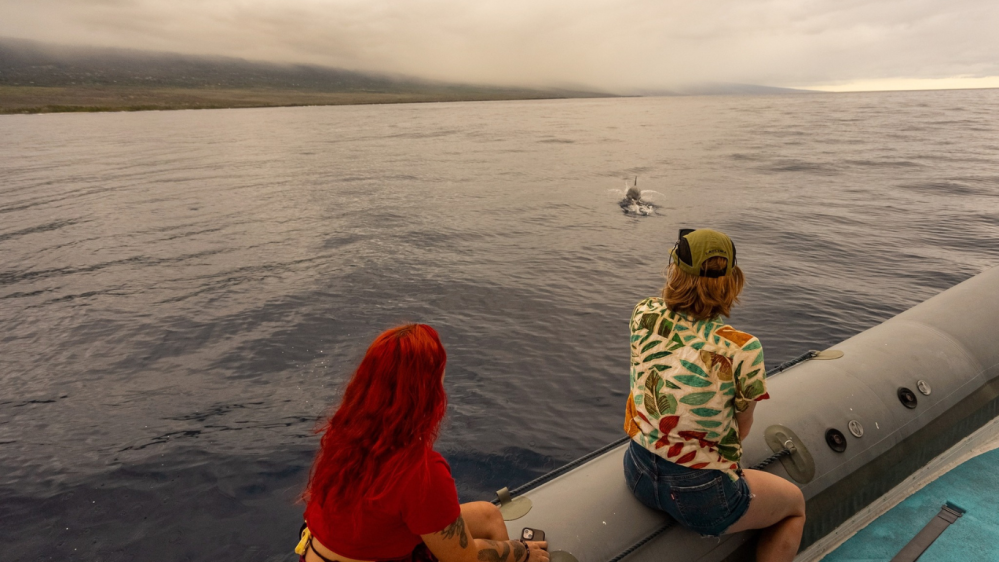
6. Private Charters — Customized and Conservation-Minded
Best for: Groups, families, special occasions, travelers who want a tailored experience
A private charter gives you the flexibility to build the day you actually want. And when you’re working with an operator committed to environmental stewardship, that customization doesn’t come at the cost of the reef.
Private charter guests often want to:
- Choose specific snorkel sites based on marine life interest
- Spend more time at a single location rather than rushing between stops
- Have naturalist-style conversation throughout the day
- Avoid crowded spots in favor of more remote, less-trafficked areas of the coast
All of that is naturally lower-impact than a large-group tour hitting the same sites on a schedule. Fewer people in the water at a time, slower pace, and more personalized guidance from the crew means a more intentional experience overall.
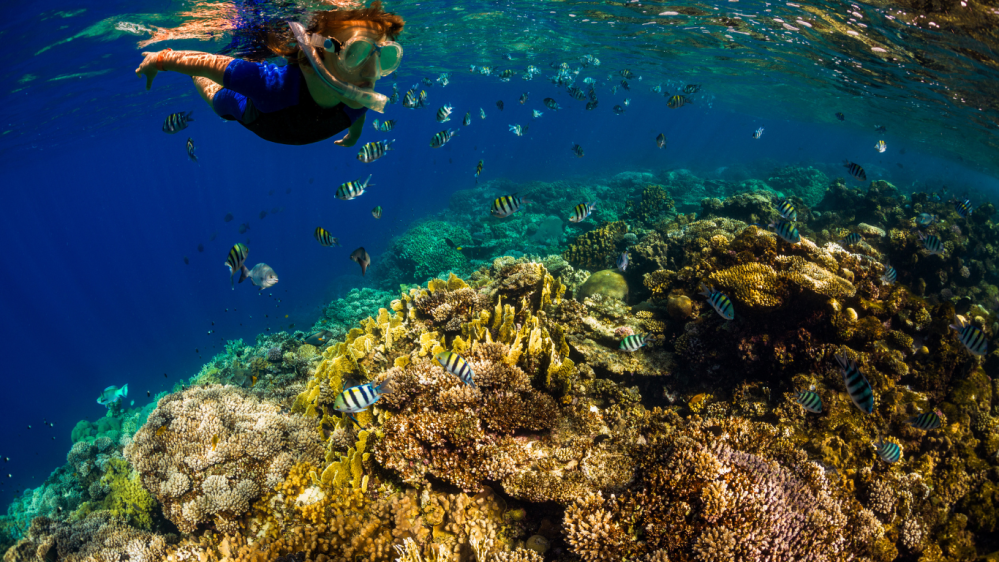
Protecting the Reef While You’re Here: What You Can Do
The best eco tour in the world is only as good as the behavior of the people on it. Here’s how to make sure you’re contributing to the experience, not detracting from it.
- Apply reef-safe sunscreen 30 minutes before you get in the water — and reapply on deck, not at the surface
- Keep your fins off the reef — accidental contact counts
- Don’t feed fish — it disrupts natural behavior and reef ecology
- Resist the urge to pick up or collect shells, rocks, or coral — Hawaii takes this seriously
- Stay horizontal in the water — vertical kicking stirs up sediment and disturbs the bottom
- If you see something unusual, tell the crew — your observation might matter
For a deeper dive into what you can do beyond the tour itself, we’ve put together a full resource on ways to protect the coral reefs that’s worth reading before you visit.
Frequently Asked Questions: Eco-Friendly Tours with Body Glove Hawaii
Does Body Glove Hawaii require reef-safe sunscreen? Yes. We provide reef-safe sunscreen on our tours and ask all guests to use it instead of chemical-based alternatives. Hawaii law bans sunscreens containing oxybenzone and octinoxate, and we enforce this policy across all our trips.
Are your tours appropriate for eco-conscious travelers who want more than just sightseeing? Absolutely. Our crew is trained to provide educational context throughout every tour — whether that’s explaining reef ecology during a snorkel briefing, narrating whale behavior during a winter whale watch, or discussing manta ray biology during a night snorkel. We’re not just a transportation service to the water.
Do you allow guests to touch or feed marine life? No. Our no-touch, no-feed policy applies to all marine life — fish, turtles, manta rays, coral, everything. We brief every guest on this before they enter the water, and our crew reinforces it throughout the trip.
How does Body Glove Hawaii handle waste and environmental impact on the water? Nothing leaves our boats that shouldn’t. We manage all waste onboard and follow responsible anchoring practices to protect the reef. Our vessel operations are designed to minimize environmental impact throughout each tour.
Can I bring my own reef-safe sunscreen? Of course — we encourage it. Just make sure it’s mineral-based (zinc oxide or titanium dioxide) and free of oxybenzone and octinoxate. When in doubt, we’ve got you covered onboard.
What is Body Glove Hawaii’s stance on dolphin swimming tours? We don’t offer daytime dolphin swim programs. Hawaiian spinner dolphins rest during daylight hours, and repeated human interaction during that time causes documented harm. We support and follow NOAA regulations, and we educate our guests on why those rules exist. You may see dolphins from the boat — that’s a gift. We just observe from a respectful distance.
Is whale watching available year-round? Humpback whale watching is seasonal — typically December through April, when the whales migrate to Hawaiian waters. Outside of that window, you’re unlikely to spot humpbacks, though other cetaceans and marine life are present year-round.
How does a private charter differ from a group tour in terms of environmental impact? Private charters tend to be lower-impact by nature: fewer people in the water at a time, more flexibility to avoid crowded sites, and a slower pace that’s gentler on the reef. You also get more one-on-one time with our crew, which means more personalized environmental guidance throughout the day.
The Bottom Line
The Big Island’s ocean ecosystem is one of the most remarkable on the planet. It’s also one that needs your help to stay that way. Choosing an eco-conscious tour operator isn’t a sacrifice — the experiences are better, the wildlife encounters are more meaningful, and you leave knowing you didn’t make things harder for the reef.
We’ve spent over 40 years on these waters because we love them. Come see what we’re talking about.