

How to Snorkel Safely in Kona: Learn These Tips Before Getting in the Water
Snorkeling is an incredible way to experience the clear water, coral reefs, tropical fish, and other marine life found along the Kona Coast. But before getting in the water, it’s important to understand your swimming ability, know how to use your gear, and be prepared for changing ocean conditions.
Whether you’re snorkeling for the first time or simply new to the waters around Kona, keep these snorkeling safety tips in mind before heading out.
- Snorkeling Safety Tips
- Are Kona Snorkel Tours Safe for Non-Swimmers?
- Experience Snorkeling in Kona with Body Glove Hawaii
1. Know Your Swimming Ability
Snorkeling may look simple, but swimming in the ocean is different from swimming in a pool. Waves, currents, changing depths, and rocky entry and exit points can make even seemingly calm water more challenging.
If you’re snorkeling independently from shore, you should be a confident swimmer and stay within your abilities. Never venture farther from shore than you could comfortably swim back.
2. Get Comfortable With Your Snorkel Gear
Your first time breathing through a snorkel shouldn’t be when you’re already far from shore.
Make sure your mask fits securely, your fins are comfortable, and you know how to breathe through and clear your snorkel. Taking a few minutes to get comfortable with your equipment can help you stay calm if water gets into your mask or snorkel.
3. Never Snorkel Alone
Never snorkel alone, even if you’re an experienced swimmer. Stay close enough to your buddy that you can communicate and quickly help each other if something goes wrong.
Check on one another regularly rather than assuming everything is fine because your snorkeling partner is nearby.
4. Check Ocean and Weather Conditions
Conditions along the Kona Coast can change, and a snorkeling spot that was calm yesterday may look completely different today.
Before getting in the water, check the weather, surf, wind, and current conditions. Pay attention to posted warnings and speak with a lifeguard when one is available. If the water looks rough or you’re unsure whether conditions match your abilities, choose another location or another day.
5. Stay Calm and Conserve Your Energy
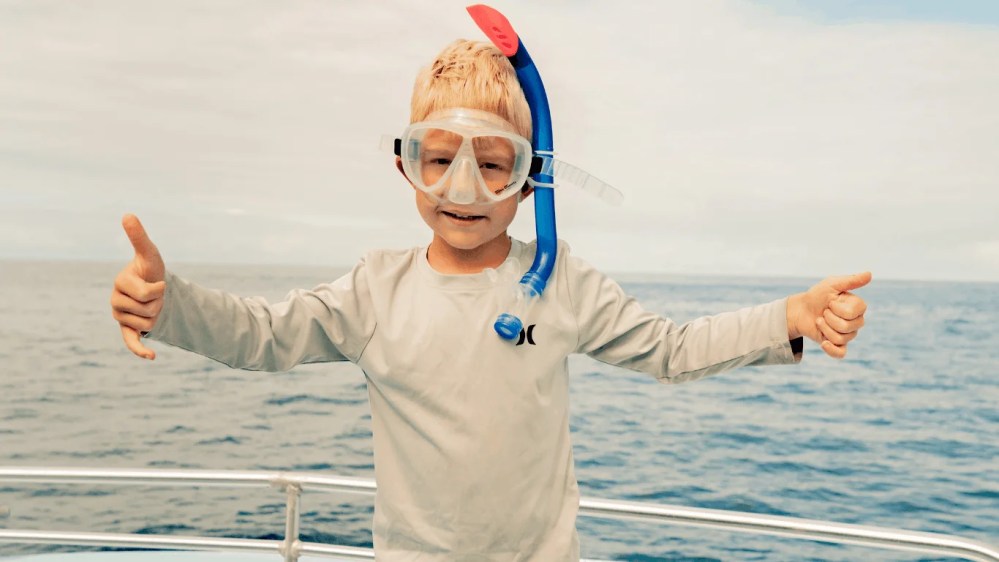
Good snorkeling doesn’t require constant swimming. Relax, float, breathe slowly, and use gentle kicks to move through the water.
Staying relaxed helps conserve energy and makes it easier to enjoy what you’re seeing below the surface. If you start to feel tired, dizzy, short of breath, anxious, or uncomfortable, stop snorkeling and safely get out of the water.
6. Plan Where You’ll Enter and Exit the Water
Some Kona snorkeling locations have rocky shorelines, shallow reefs, or waves that can make getting in and out more difficult than expected.
Look for a safe entry and exit point before you start snorkeling, and keep track of where you are in relation to it while you’re in the water. Use extra caution around rocks and shallow coral, especially when waves are present.
7. Give Marine Life Plenty of Space
Part of the fun of snorkeling in Kona is seeing Hawaii’s marine life, including endemic reef fish of the Big Island, in their natural habitat. Enjoy it from a respectful distance.
Never touch, chase, feed, or attempt to ride marine animals, and avoid standing on or touching coral. Follow NOAA’s marine wildlife viewing guidelines for Hawaiʻi.
Giving wildlife plenty of space protects both you and the animals—one of the simplest ways you can help protect Hawaii’s fragile coral reefs for future generations.
8. Protect Yourself From the Sun and Stay Hydrated
A day on the water means plenty of Hawaiian sun. Apply mineral-based sunscreen before heading outside, and consider wearing a rash guard or other sun-protective clothing.
Bring plenty of water as well. It’s easy to forget about hydration when you’re surrounded by water, especially if you’re spending several hours at the beach or on a boat.
Are Kona Snorkel Tours Safe for Non-Swimmers?
If you don’t know how to swim, snorkeling independently from shore is not recommended. Flotation equipment should not be treated as a substitute for swimming ability, especially when you’re dealing with changing ocean conditions.
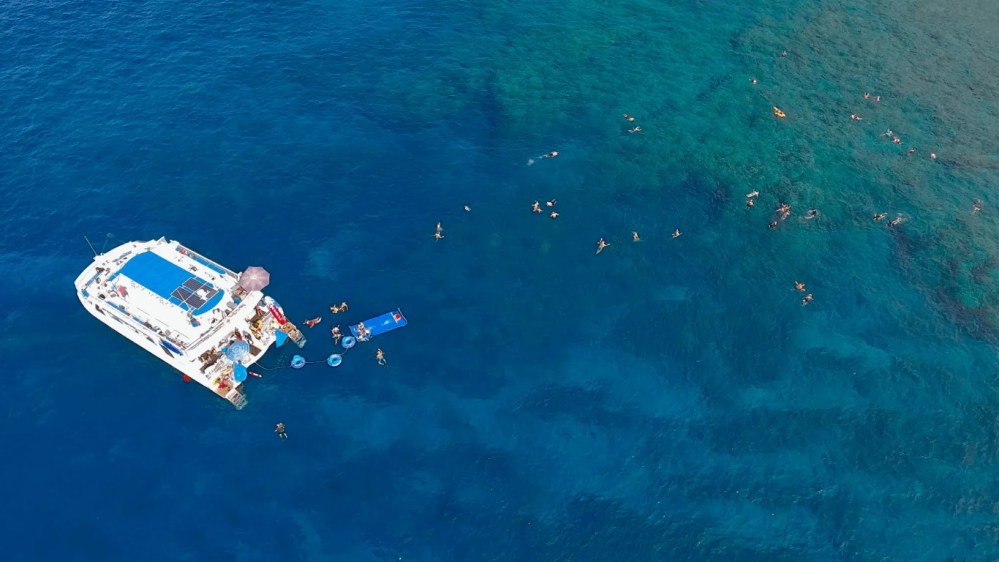
For people who are new to snorkeling or aren’t strong swimmers, a guided Kona snorkel tour can provide additional support and a more comfortable alternative to snorkeling independently from shore. Be upfront with the crew about your swimming ability and comfort level before entering the water so they can explain your options and help you follow the appropriate safety precautions.
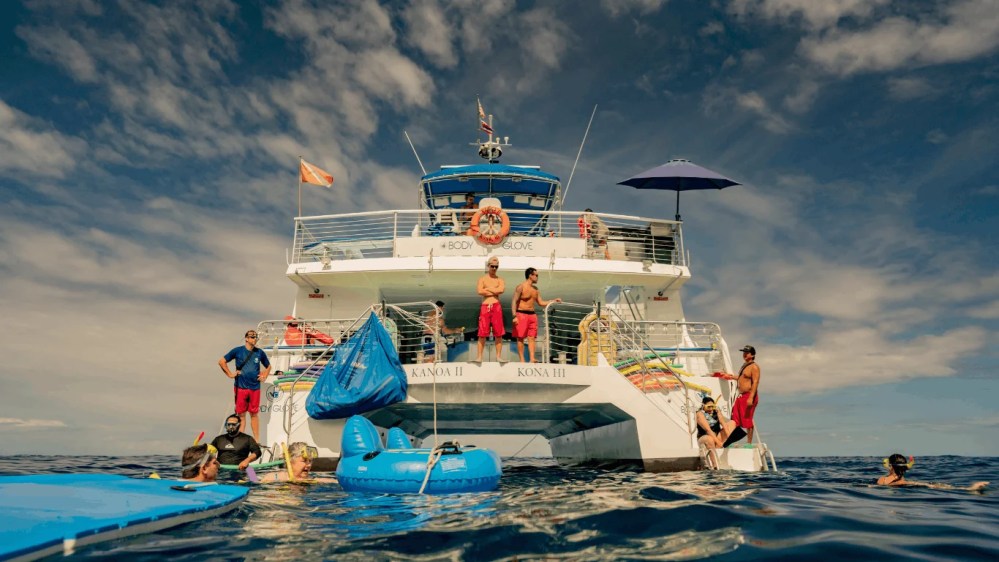
At Body Glove Hawaii, we welcome beginners and non-swimmers and offer a Snorkeling 101 introduction for guests who are new to snorkeling or want a refresher. On our catamaran tours, flotation options include recreational life jackets, noodles, sea-view boards, boogie boards, and inner tubes. Our captains and crew are First Aid, CPR, and lifeguard certified, with designated lifeguards watching the water while guests are swimming.
Always follow the crew’s instructions and stay within your personal comfort level while enjoying your time in the water.
Experience Snorkeling in Kona with Body Glove Hawaii
Ready to see what’s beneath the surface? Get to know some of the best snorkel spots in Kona, then experience the Kona Coast from the water with Body Glove Hawaii.
Our Kona snorkel tour makes it easy to spend a day snorkeling, spotting marine life, and enjoying the beautiful waters of the Big Island with an experienced crew along for the adventure. Come snorkel Kona with us!