

What to Expect on a Whale Watching Tour on the Big Island
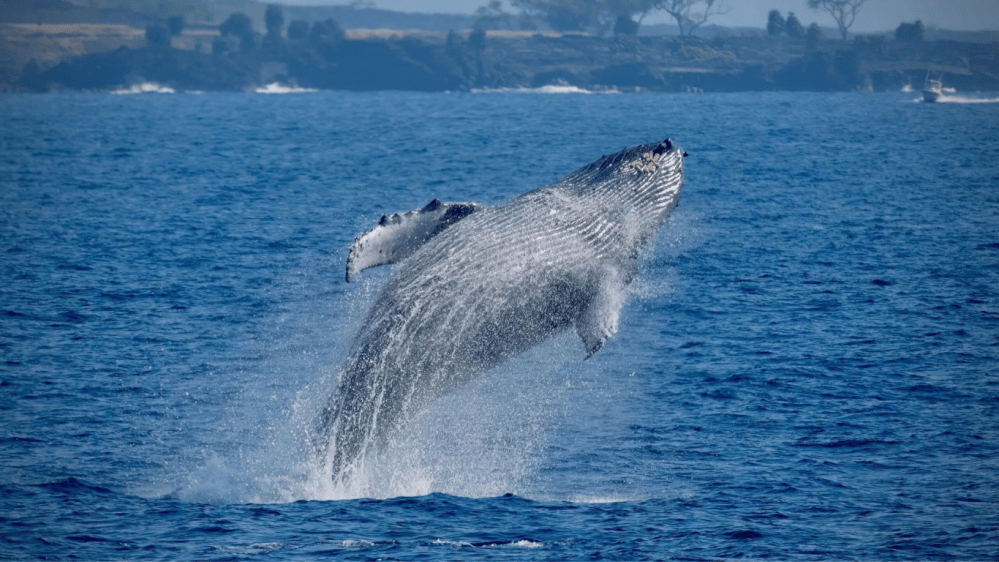
If you’re visiting Kona on the Big Island of Hawaii, a whale watching tour is one of the most unforgettable wildlife experiences you can have. From November through April, humpback whales migrate to Hawaii’s warm Pacific waters to mate, calve, and nurse their young — and Kailua-Kona offers some of the best viewing conditions in the entire state.
Body Glove Hawaii offers two distinct whale watching experiences: the spacious Catamaran Whale Watching Tour and the adventure-focused Super-Raft Whale Watching Cruise. Whether you prefer a smooth, comfortable ride or a nimble, up-close encounter, both tours include expert naturalist guides, stunning coastal scenery, and the thrill of watching humpbacks in their natural habitat.
Here’s everything you need to know before you go.
- When Is Whale Watching Season in Hawaii?
- Choosing Your Tour: Catamaran vs. Super-Raft
- Setting Sail: What Happens When You Board
- What You’ll See: Humpback Whale Behaviors Explained
- Other Wildlife You Might Encounter
- Fascinating Humpback Whale Facts
- Tips for Getting the Most Out of Your Tour
- Whale Watching Etiquette and Wildlife Regulations
- Why Choose Body Glove Hawaii?
- Frequently Asked Questions About Whale Watching on the Big Island
When Is Whale Watching Season in Hawaii?
Humpback whale season on the Big Island runs from November through April, with peak sightings typically occurring between January and March. This is when the greatest concentration of whales is present in Hawaiian waters, including mothers with newborn calves and competitive male escorts vying for attention.
If you’re planning a trip specifically to see whales, January and February offer your best odds for frequent, active sightings. Early December tours are a wonderful way to catch the season’s arrival, while March departures often feature some of the most memorable mother-calf interactions as calves grow stronger and more active near the surface.
Choosing Your Tour: Catamaran vs. Super-Raft
One of the first decisions you’ll make is which vessel suits your group best. Body Glove Hawaii offers two very different and equally memorable experiences.
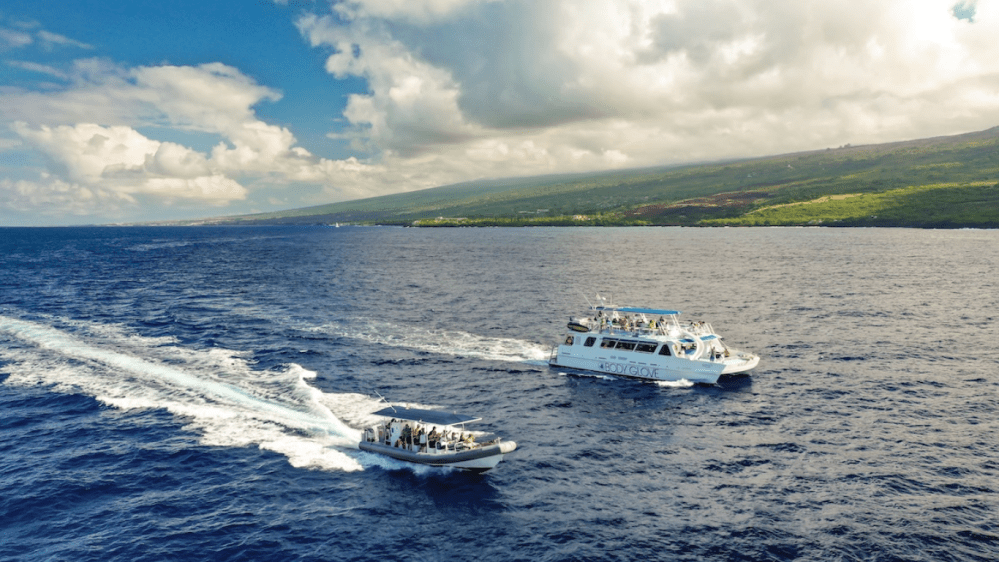
Catamaran Whale Watching Tour — Body Glove’s double-decker catamaran is the ideal choice for families, groups with young children, or anyone who wants a comfortable, stable ride. The boat is wheelchair accessible, features onboard restrooms, shaded lower deck seating, and an open upper sun deck. It accommodates larger groups and includes complimentary beverages. The catamaran’s size also means a smoother experience if the ocean has any chop.
Super-Raft Whale Watching Cruise — For those seeking a more intimate, high-energy adventure, the Super-Raft delivers. This rigid-hull inflatable craft sits lower to the water, offering an immersive, closer-to-the-action perspective. It’s fully shaded with comfortable seating, personal storage, and an onboard bathroom. The smaller group size means more personalized attention from the naturalist and the ability to maneuver quickly when whales surface nearby.
Both tours depart from Kailua-Kona’s Kailua Pier and feature expert onboard naturalists.
Setting Sail: What Happens When You Board
Your whale watching adventure begins at the pier, where you’ll check in with the friendly Body Glove crew. Before departure, your naturalist will conduct a brief safety overview and give an engaging introduction to humpback whale behavior, migration patterns, and what to look for on the water.
Once underway, you’re free to find your ideal spot: shaded seating for a relaxed ride, or the open deck if you want an unobstructed view. Complimentary soft drinks and water are available throughout the tour. As you head out along the Kona coast, keep an eye on the water’s surface: spinner dolphins are frequent visitors and often bow-ride alongside the vessel before the whale action begins.
What You’ll See: Humpback Whale Behaviors Explained
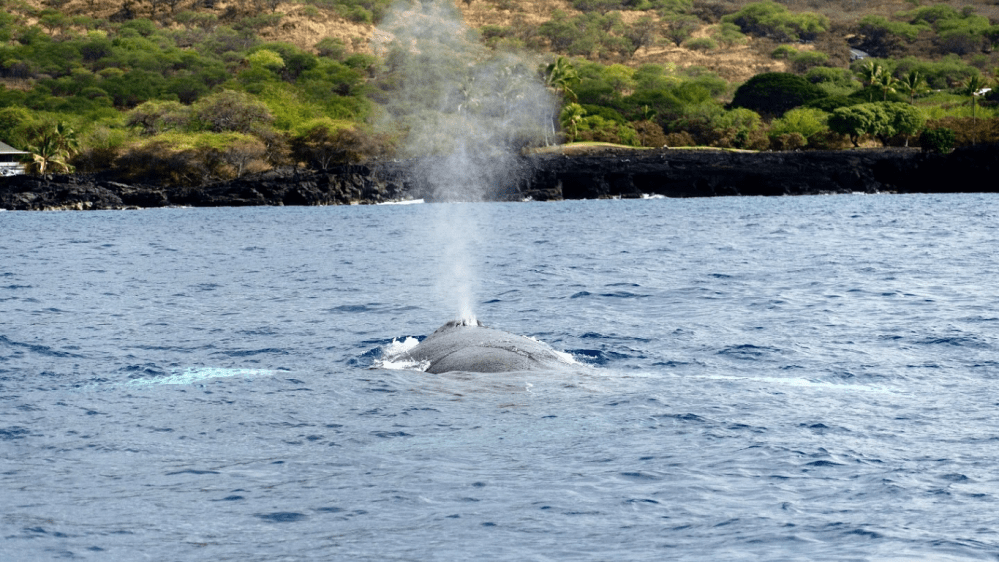
Spouts: A humpback’s blow (exhalation) can shoot up to 15 feet in the air and is often visible from a mile away. It’s usually your first sign that a whale is nearby. The shape of the blow — wide and bushy — is distinctively humpback.
Breaching: One of the most dramatic behaviors in the animal kingdom. A humpback launches its 40-ton body up to 90% out of the water before crashing back down. Scientists believe breaching may be a form of communication, parasite removal, or simply play.
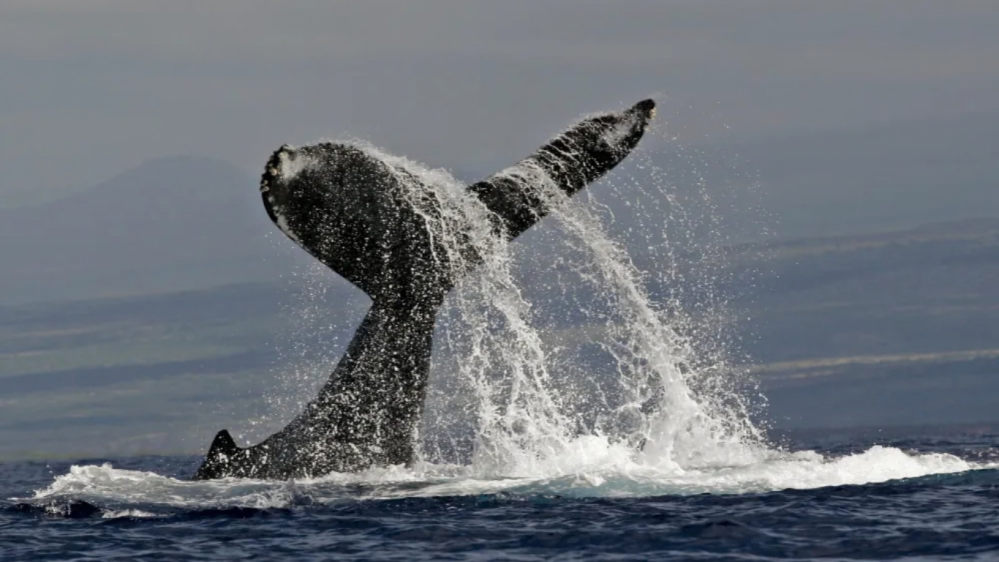
Tail Slapping (Lobtailing): The whale raises its massive flukes above the surface and slaps them against the water repeatedly. This is thought to be a form of communication or a warning signal to other whales.
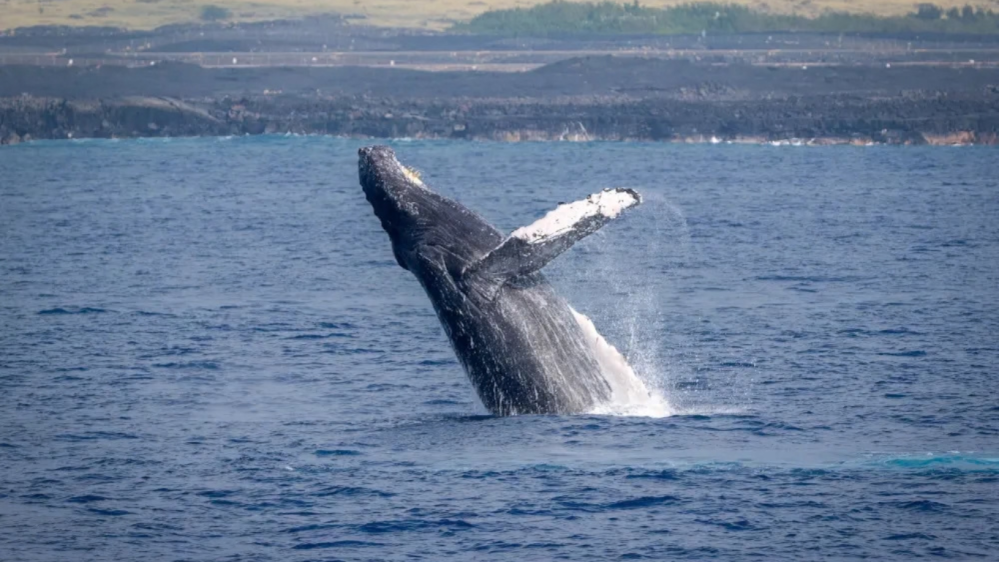
Pec Slapping: Humpbacks roll onto their sides and slap their long pectoral fins against the water. Their pectoral fins can reach up to 15 feet in length — the longest fins of any whale species.
Spy Hopping: The whale rises vertically out of the water, head first, appearing to take a look around. It’s a calm, curious behavior that feels like a personal little, “hello!”
Mother-Calf Interactions: Witnessing a calf surface alongside its mother is one of the most emotionally powerful moments on any tour. Calves are born in Hawaiian waters and can grow up to a foot per day in their first weeks of life.
Singing: Body Glove uses onboard hydrophones so guests can hear humpback whale songs in real time. Male humpbacks produce complex, evolving songs that can last up to 20 minutes and travel for miles underwater.
Other Wildlife You Might Encounter
While humpbacks are the headline act, the waters off Kona are teeming with marine life year-round. On any given tour, you may also encounter:
Spinner dolphins: Highly social and acrobatic, these dolphins frequently appear near the boat, riding bow waves and performing spinning aerial leaps. Hawaii is home to resident populations that don’t migrate, making dolphin sightings on the Big Island very likely.
Sea turtles (honu): Hawaiian green sea turtles are commonly spotted at the surface, especially closer to shore. They’re a beloved symbol of Hawaii’s ocean culture.
Manta rays: Occasionally spotted gliding near the surface, particularly in calmer conditions.
Seabirds: White-tailed tropicbirds, boobies, and frigatebirds are often seen soaring above whale activity, diving for fish disturbed by whale feeding behavior.
Fascinating Humpback Whale Facts
Size: Adult humpbacks grow up to 60 feet long and weigh around 40 tons, roughly the size of a school bus. Females are usually larger than males.
Migration: Humpbacks travel more than 3,000 miles from their feeding grounds in Alaska to winter in Hawaii’s warm waters, one of the longest migrations of any mammal on Earth.
They don’t eat in Hawaii: While in Hawaiian waters, humpback whales primarily fast, surviving on fat reserves built up during a summer of feeding in Alaska. They’re here purely to breed and raise calves.
Songs change over time: Every humpback in a given population sings the same song, but whale song gradually evolves over the season, with all whales updating in sync. Scientists still don’t fully understand this phenomenon.
Conservation comeback: Humpback whales were hunted nearly to extinction by the mid-20th century. Thanks to the global whaling moratorium and conservation protections under the Marine Mammal Protection Act, their numbers have rebounded significantly, a genuine success story for wildlife conservation.
Tips for Getting the Most Out of Your Tour
Arrive early. Give yourself time to check in before boarding, and find the best seat for your comfort and viewing.
Dress in layers. Kona mornings can be breezy on the water even when the shore feels warm. A light windbreaker or long-sleeve layer is useful, especially on the Super-Raft.
Protect yourself from the sun. Wear a hat and UV-protective sunglasses. The reflection off the water intensifies UV exposure. Reef-safe sunscreen is provided on board.
Bring a camera with zoom. Whales surface unpredictably and often at a distance before they come closer. A camera with optical zoom or a longer lens will serve you better than a phone camera for distant shots. A waterproof case or bag is also smart.
Stay hydrated and eat lightly beforehand. Body Glove provides complimentary soft drinks and water, but avoid heavy meals right before departure if you’re prone to seasickness.
Watch the horizon. If you feel queasy, focus on the horizon and move to the center of the boat or the open deck for fresh air. The catamaran’s larger hull provides the most stability.
Trust the naturalist. When a whale is spotted, your naturalist will guide your attention. Listen carefully; they know exactly what behaviors to watch for and can often predict what a whale will do next.
Whale Watching Etiquette and Wildlife Regulations
Federal regulations under the Marine Mammal Protection Act require vessels to maintain a minimum distance of 100 yards from humpback whales and 50 yards from other marine mammals. Body Glove Hawaii’s crew follows all federal and state guidelines to ensure whales are never disturbed or stressed by the tour.
As a guest, you can help by keeping voices calm when whales are near, avoiding sudden movements or loud noises, and never throwing anything overboard. These animals are in Hawaiian waters for a critical biological purpose — breeding and nursing — and respectful observation is essential to their well-being.
Why Choose Body Glove Hawaii?
Body Glove Hawaii has been running ocean tours from Kailua-Kona since 1983. Their whale watching tours stand out for several reasons:
Their onboard certified naturalists don’t just point at whales; they provide deep, real-time context about behavior, biology, and conservation that transforms a sightseeing trip into a genuine learning experience. The hydrophone system is a rarity among tour operators and lets guests hear whale song live underwater. Both vessels are well-maintained, Coast Guard-certified, and staffed by a crew that genuinely loves the ocean.
Choose the Catamaran Whale Watching Tour for a comfortable, accessible group experience with more space and stability. Choose the Super-Raft Whale Watching Cruise for a more intimate, lower-to-the-water adventure with a smaller group and faster vessel response when whales surface.
Both tours depart from Kailua Pier in Kailua-Kona. Booking in advance is strongly recommended during peak season, especially for January and February departures.
Frequently Asked Questions About Whale Watching on the Big Island
What months are best for whale watching on the Big Island?
Humpback whales are present in Hawaiian waters from November through April. Peak season is January through mid-March, when whale density is highest, and mother-calf pairs are most commonly seen.
For a full breakdown of the migration timeline, peak activity windows, and what drives humpbacks to Hawaii each year, read our complete guide to whale season in Hawaii.
Is whale sighting guaranteed?
No tour operator can guarantee wildlife sightings, but humpback whale activity in Kona’s waters during peak season is exceptionally reliable. Body Glove’s experienced captains and naturalists know the waters well and work hard to locate whales on every departure.
How long is the whale watching tour?
Both the catamaran and Super-Raft whale watching tours run approximately 2.5 hours. Check the current schedule at the time of booking for exact departure times and durations.
Is the tour suitable for young children?
Yes. The Catamaran Whale Watching Tour is especially family-friendly, with a stable, spacious deck and shaded seating. Children tend to love the energy of spotting and watching whales. The Super-Raft is better suited for older children and adults who enjoy a more active experience.
Is the catamaran wheelchair accessible?
Yes. The Body Glove catamaran is wheelchair accessible and equipped with onboard restrooms and shaded areas.
What should I wear on a whale watching tour?
Wear light, comfortable clothing, a hat, and sunglasses. Bring a light layer or windbreaker for the open water, even on warm days.
Can I hear whale songs on the tour?
Yes! Body Glove uses onboard hydrophones so guests can listen to humpback whale songs live while on the water. This is one of the standout features of their whale watching experience.
What other animals might I see?
Spinner dolphins, Hawaiian green sea turtles, manta rays, and seabirds are all commonly spotted on whale watching tours in Kona.
Where does the tour depart from?
Both tours depart from Kailua Pier in Kailua-Kona on the Big Island of Hawaii.
How do I book?
Visit the Catamaran Whale Watching Tour page or the Super-Raft Whale Watching Cruise page to check availability and book online. Advance booking is strongly recommended during peak season.

Ready to experience the magic of humpback whales up close? Book your tour with Body Glove Hawaii today — the ocean is waiting.